1734 North Main St., Los ANgeles, CA 90031 call/text 213-479-8672
12 Professional Headshot Photography Examples
5/20/20266 min read
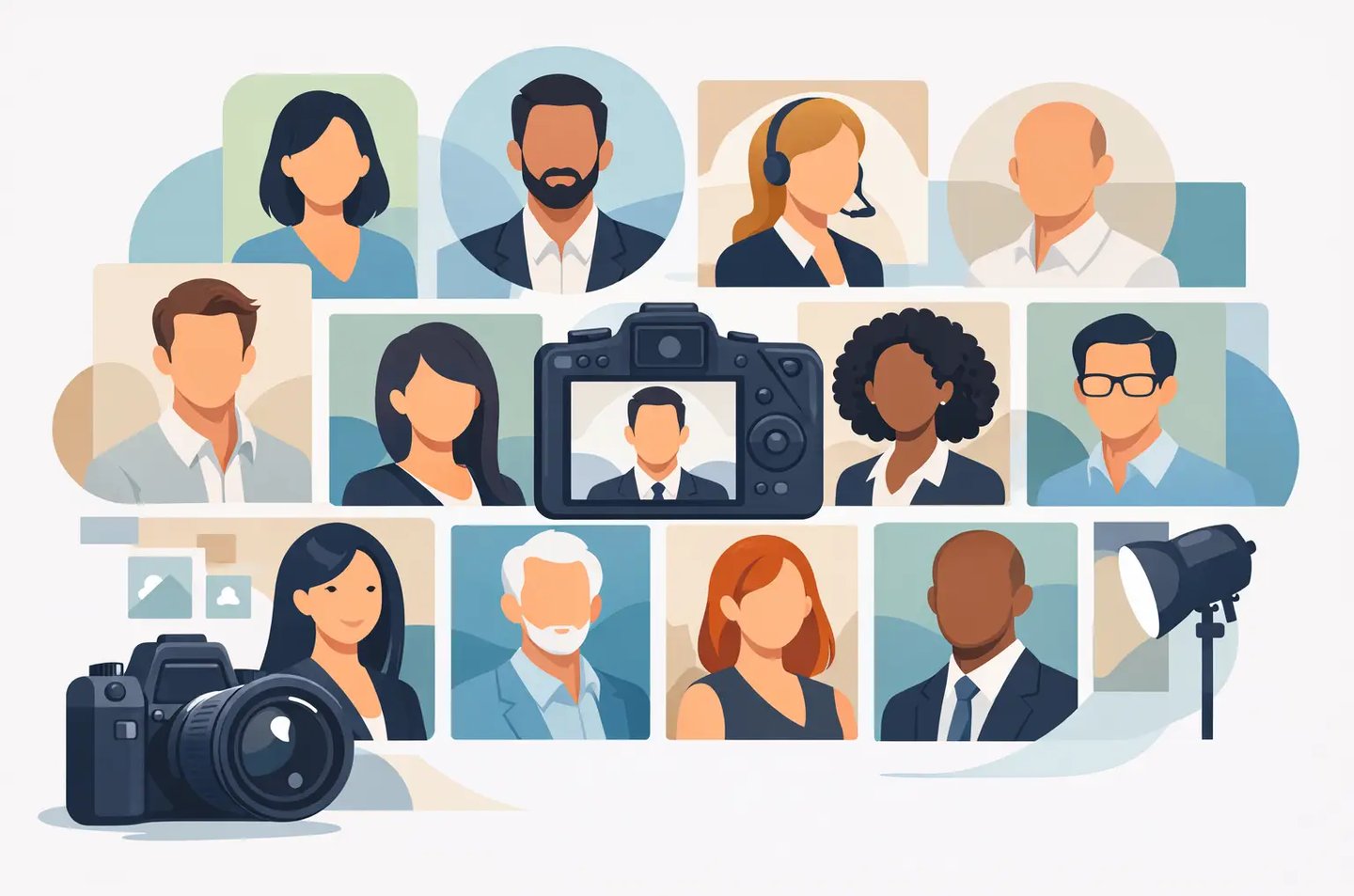
A strong headshot does one job fast - it makes someone stop, look, and take you seriously. That is why professional headshot photography examples matter so much before you book a session. If you are an actor updating casting materials, a creative building a personal brand, or a professional trying to look more credible online, the right example helps you see what actually works in the market.
A lot of people search for inspiration and end up looking at images that are beautiful but not useful. That is the gap. A career-focused headshot is not just about flattering light or expensive retouching. It needs to fit a real goal, whether that is landing auditions, cleaning up your LinkedIn presence, or making your website feel more polished and current.
The best examples do not all look the same. They work because each one matches the person, the industry, and the opportunity they want to attract. Here are 12 examples worth paying attention to, along with what each one communicates and when it makes sense to use it.
Professional headshot photography examples for real career goals
1. The commercial actor headshot
This is one of the most useful professional headshot photography examples for working actors in Los Angeles. The expression is open, approachable, and believable. Wardrobe is simple, current, and relatable. Lighting is clean and bright without feeling flat.
This kind of image says you can book roles for commercials, co-stars, lifestyle campaigns, and everyday-character casting. It tends to work best when you look like yourself on a very good day, not a heavily styled version of yourself. If the smile feels forced or the retouching is too polished, the shot can lose casting value quickly.
2. The theatrical actor headshot
A theatrical headshot usually carries more intensity. The expression is grounded. The eye contact is direct. Styling is still minimal, but the overall mood has more edge or seriousness.
This example works for actors targeting drama, streaming roles, indie features, and character-driven television. The trade-off is that going too dark or too dramatic can make the image feel generic. The best theatrical shots still feel specific to the actor, not like a poster for a moody short film.
3. The clean LinkedIn headshot
For professionals outside entertainment, this is often the smartest starting point. The framing is classic, usually chest-up, with simple wardrobe and a neutral or softly blurred background. The expression is confident, calm, and easy to trust.
This shot works because it removes distractions. Recruiters, clients, and colleagues do not need a creative concept. They need a credible first impression. If you work in law, finance, consulting, healthcare, or corporate leadership, this style usually outperforms trendier portraits.
4. The startup founder headshot
This example is more relaxed than a corporate portrait but still polished. Think natural posture, modern wardrobe, and a slightly more casual expression. It often uses softer styling choices to show confidence without feeling stiff.
It is a strong fit for founders, entrepreneurs, consultants, and people building a personal brand around expertise. The challenge is balance. Too formal and it can feel out of step with startup culture. Too casual and it can look underprepared. The sweet spot is polished, current, and human.
5. The creative professional headshot
Designers, producers, musicians, photographers, writers, and artists often need a headshot that feels professional without looking corporate. A strong example here might include more personality in wardrobe, a subtle texture in the background, or a slightly looser crop.
What matters is control. The image can show individuality, but it still needs to look intentional. If you are trying to get booked, hired, signed, or taken seriously by collaborators, your headshot cannot look like a random social media photo cropped at the shoulders.
6. The beauty-forward performer headshot
This is common for performers who need a polished, camera-ready look while still appearing real. Hair, makeup, skin tone, and lighting all matter more here. The shot is clean and flattering, but not glam to the point of being misleading.
For actors, singers, hosts, and on-camera talent, this example can be highly effective. It presents you as prepared and marketable. But it only works if it still looks like you walking into the room. Casting directors do not want surprises.
What separates strong examples from weak ones
A lot of weak headshots fail for the same reasons. The lighting is too harsh, the crop is awkward, the expression feels disconnected, or the wardrobe pulls attention away from the face. In some cases, the image is technically good but strategically wrong. A polished studio portrait can still miss if it does not fit the role you are trying to book or the audience you are trying to reach.
Strong examples have clarity. You understand the person fast. You get a sense of their type, professionalism, and energy without having to work for it. That is what makes a headshot useful in the real world.
7. The approachable executive portrait
This style sits between corporate and personal brand photography. The subject looks established and capable, but not cold. The expression is warm enough to invite trust while still signaling authority.
This works well for executives, brokers, medical professionals, and consultants who need to look accomplished and accessible at the same time. If your work depends on relationships, this kind of image can do a lot more than a stiff formal portrait.
8. The personal brand headshot with edge
Some professionals need a little more style in the frame. Coaches, speakers, media personalities, and creators often benefit from a headshot that feels more dynamic. This could mean stronger color choices, more expressive posing, or a bolder backdrop.
The key is knowing where the photo will live. If it is mainly for your website, speaker bio, and social content, a sharper visual identity can help. If it also needs to serve as a conservative business profile, it may be smart to pair this with a cleaner second look.
9. The industry-standard gray background actor shot
There is a reason this look stays popular. A neutral background keeps the focus where it belongs - on your face, expression, and casting type. It is simple, versatile, and easy to submit across platforms.
For actors who need a reliable main image, this is still one of the most practical choices. It does not try too hard. It simply gives buyers, agents, and casting teams what they need to see. Headshots by Wick leans into this kind of marketable efficiency because it works.
10. The short-form session image
Not everyone needs a long session with multiple setups. A great short-form headshot example shows how much can be accomplished with one strong look, one clean setup, and focused direction. These images often feel direct and usable because there is no overcomplication.
This can be a smart move if you need a fast update, a budget-friendly refresh, or a new primary image for submissions. The downside is limited variety. If you need commercial and theatrical looks, or multiple brand uses, a fuller session may be a better investment.
11. The multiple-look portfolio headshot set
Sometimes the best example is not one image but a small set of distinct looks. One friendly commercial shot, one more serious theatrical image, and one polished branding portrait can cover a lot of ground.
This approach makes sense for actors, creatives, and professionals with different audiences. It gives you flexibility without forcing one photo to do every job. The important part is making sure each look still feels like the same person, not three different identities.
12. The minimally retouched headshot
This example often gets overlooked, but it is one of the strongest signals of professionalism. Good retouching should clean up temporary distractions, not erase your face. Skin should still look like skin. Texture should still exist. Character should stay intact.
Especially in acting, over-retouching can hurt more than help. In business, it can also create a trust gap if you look noticeably different in person. The best headshots are polished, current, and honest.
How to use professional headshot photography examples before booking
Do not just save photos because they look nice. Save examples based on purpose. Ask yourself what each image is helping the subject achieve. Does it look castable, promotable, trustworthy, current, or premium? Those answers matter more than whether the lighting feels fancy.
It also helps to notice patterns in the examples you respond to. Maybe you consistently prefer tighter crops, softer smiles, neutral backgrounds, or more natural styling. That is useful direction to bring into your session. A good photographer can turn those preferences into something tailored instead of copied.
The smartest clients come in with references and realistic goals. They know whether they need one image for immediate use or several looks for different platforms. They think about wardrobe, audience, and where the photo will appear before stepping into the studio. That kind of preparation usually leads to better results and fewer wasted images.
The right example should make your next step obvious. Not perfect, not complicated, just clear. When you can see the kind of first impression that fits your career, booking the session stops feeling like a gamble and starts feeling like a move forward.