1734 North Main St., Los ANgeles, CA 90031 call/text 213-479-8672
How to Dress for Headshots that Book Work
5/31/20265 min read
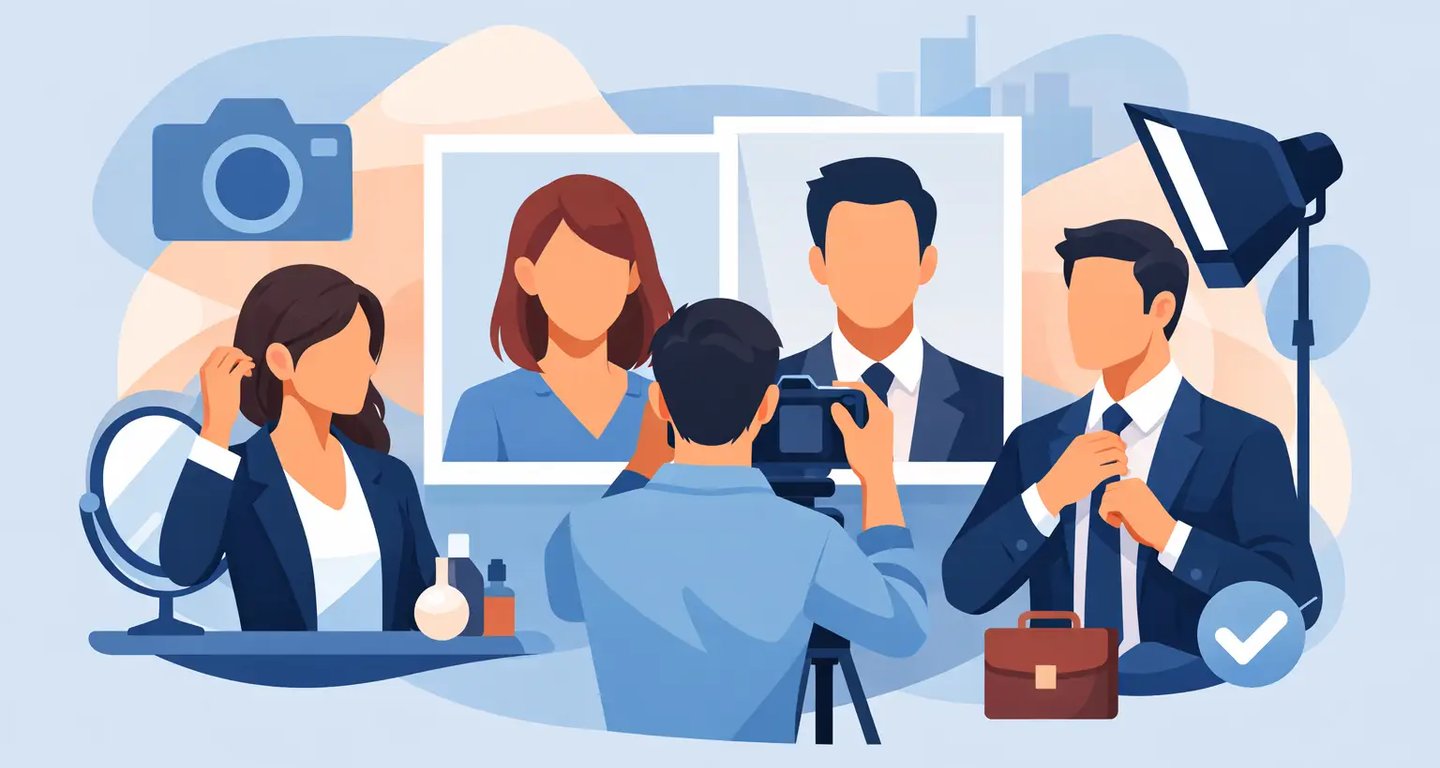
You can have great lighting, strong retouching, and a solid expression, but if your outfit fights the camera, your headshot loses impact. That is why knowing how to dress for headshots matters so much. The right clothing helps casting directors, recruiters, and clients see you clearly, while the wrong choice pulls attention away from your face and weakens your first impression.
For most people, the goal is not to wear the most fashionable thing in your closet. The goal is to look current, credible, and easy to cast or hire. A strong headshot should feel like you on your best day - polished, confident, and ready for the next opportunity.
How to Dress for Headshots Without Overthinking It
Start with one simple rule: your face is the product. Clothing should support it, not compete with it. In a headshot, every detail gets amplified. Busy patterns, awkward fits, and distracting accessories may look fine in person, but on camera they can become the first thing people notice.
That is why solid colors usually win. Mid-tone and rich colors tend to photograph well because they add shape without overwhelming your features. Think navy, charcoal, deep green, burgundy, soft blue, cream, rust, or black used carefully. The best choice depends on your skin tone, hair color, and the type of work you are targeting.
Fit matters just as much as color. If a shirt pulls at the buttons, bunches at the shoulders, or hangs too loose, it can make the image look sloppy even if the piece is expensive. Tailored but comfortable is the target. You want clean lines that frame your face and neckline without making you look stiff.
Texture can help, too. Knit fabrics, subtle layering, denim jackets, structured blazers, and simple sweaters often add dimension in a way flat fabric does not. The camera likes depth. What it does not like is visual chaos.
Choose Clothes for the Role You Want
If you are an actor, your wardrobe choices should line up with your casting type. That does not mean wearing a full costume. It means suggesting a lane. A soft tee and denim jacket might work for approachable, youthful, commercial energy. A fitted dark top or sharp blazer may suit a more serious, authoritative, or dramatic read.
If you are a business professional or creative entrepreneur, think about where the image will live. LinkedIn headshots, speaker bios, company profiles, and brand photography all call for slightly different levels of polish. In most cases, a clean neckline, flattering fit, and professional styling work better than trend-heavy fashion choices.
This is where a lot of people miss the mark. They dress for themselves instead of dressing for the market. Your favorite outfit is not always your best headshot outfit. The better question is: what makes me look bookable, trustworthy, and current for the opportunities I want right now?
Best Colors and Necklines for Headshots
Color around your face changes the whole image. Some shades brighten your eyes and skin. Others can wash you out or create harsh shadows. If you already know what colors flatter you, lean into those. If you do not, start with deeper neutrals and jewel tones rather than neon brights or extremely pale shades.
Black can look strong and clean, especially for dramatic or professional branding, but it is not perfect for everyone. On some people, pure black feels too severe or loses detail in studio lighting. Navy, espresso, olive, or charcoal often give the same polished effect with a little more dimension.
White can be crisp and classic, but bright white can also reflect a lot of light and dominate the frame. Cream, soft ivory, or off-white are often more forgiving. Red can be powerful, though certain bright reds can steal focus. The sweet spot is usually a controlled, flattering tone rather than the loudest possible version of a color.
Necklines matter because they shape the space around your jaw and face. V-necks, scoop necks, crewnecks, open collars, and structured jackets can all work, depending on your features and industry goals. Turtlenecks can look polished and elevated, but they also shorten the neck on some people. If you are bringing multiple looks, vary the neckline so your gallery does not feel repetitive.
What to Avoid Wearing in Headshots
Most wardrobe mistakes come from trying too hard. Logos, obvious brand marks, heavy graphics, and loud patterns all compete for attention. Tiny stripes, checks, and detailed prints can also create a weird visual effect on camera. If a piece makes a bold statement in person, it will probably make an even louder one in your headshot.
Avoid anything that wrinkles easily unless you plan to steam it right before the session. A great photo can still look unprofessional if the shirt collar is collapsed or the jacket is creased across the chest. Bring your outfits on hangers if possible.
Be careful with trendy pieces that may date your image quickly. Headshots should look current, but they should also have some staying power. If a neckline, cut, or styling choice screams one specific season, it may not serve you for long.
Accessories should stay simple. Small earrings, a clean necklace, or a watch can work. Large statement jewelry, overly shiny pieces, or anything that shifts around during shooting can become a distraction. The same goes for hats unless they are part of your professional identity or a deliberate branding choice.
How Many Outfits Should You Bring?
For most sessions, two to four strong options are smarter than bringing your entire closet. More is not better if the looks are too similar or if none of them are fully camera-ready. A small set of deliberate choices gives you variety without wasting time.
Try to bring contrast. One look can be more commercial and approachable. Another can be sharper, more serious, or more professional. If you are using your images for acting submissions, personal branding, or business platforms, outfit variety helps you get more mileage from one session.
Layering is one of the easiest ways to create different looks fast. A fitted top alone, then the same top with a blazer or jacket, can produce distinct results without a full wardrobe change. This is especially useful if you want multiple looks in a short studio session.
Practical Prep for the Day of Your Shoot
A strong outfit on the hanger is not enough. Before your session, try everything on in natural light. Check the fit sitting and standing. Make sure straps stay in place, collars behave, and fabric lies flat. If you need safety pins, double-sided tape, or lint rolling, handle that before you get in front of the camera.
Get your clothing cleaned and steamed the day before. Pack extra basics if you have them. Even if you are sure about your first choice, a backup can save the session if something looks different on camera than you expected.
If makeup or grooming is part of your prep, keep the finish clean and intentional. Headshots should still look like you. The best results usually come from controlled polish, not heavy transformation. Hair should look fresh and touchable, not frozen in place.
At Headshots by Wick, many clients get the strongest results when they treat wardrobe as part of the booking strategy, not an afterthought. It is one of the easiest ways to make your images feel more competitive without adding anything flashy.
The Best Headshot Outfit Is the One That Sells You Clearly
The right wardrobe does not need to be expensive, designer, or complicated. It needs to fit well, flatter you on camera, and support the kind of opportunities you want next. That is the standard.
If you are deciding between two outfits, choose the one that makes you look more confident, more current, and easier to understand at a glance. A strong headshot works fast. Your clothing should help it do exactly that.
When you dress with intention, your headshot stops looking like just another photo and starts working like a tool. That is what gets attention, earns trust, and helps move your career forward.