1734 North Main St., Los ANgeles, CA 90031 call/text 213-479-8672
How to Get a Professional Headshot Photo
5/18/20266 min read
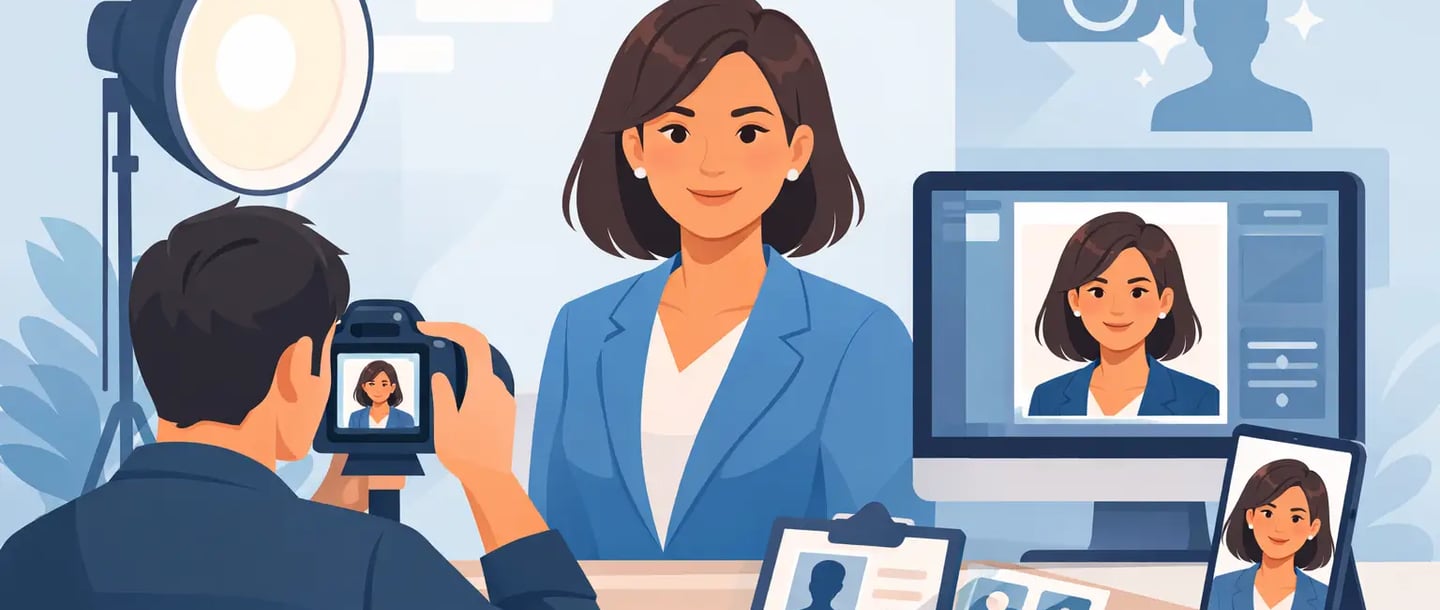
A weak headshot can cost you the callback before anyone reads your resume, reel, or profile. If you're wondering how to get a professional headshot photo, the answer is not just booking any photographer with a camera. You need an image that matches your industry, looks current, and helps you compete for real opportunities.
For actors, performers, creatives, and professionals in Los Angeles, a headshot is not a nice extra. It is part of your pitch. Casting directors scan fast. Recruiters make quick judgments. Clients and collaborators often see your photo before they ever meet you. That means your headshot needs to look polished, believable, and usable right away.
How to get a professional headshot photo that works
The best headshots do one job extremely well. They make you look like someone worth calling back. That sounds simple, but it changes how you should approach the whole process.
A professional headshot is not about looking glamorous, overly edited, or dramatically different from your real appearance. It should look like you on a very good day, with clean lighting, strong eye contact, and a clear sense of who you are. For an actor, that may mean approachable, confident, grounded, or commercially friendly. For a business professional, it may mean credible, polished, and sharp. The point is fit.
That is why getting a strong headshot starts before the camera comes out. You need the right photographer, the right session style, and the right expectations.
Choose a photographer who shoots for your market
Not every portrait photographer is a headshot photographer, and not every headshot photographer understands entertainment or career-driven branding. This matters more than most people realize.
A wedding photographer may take beautiful images but still miss what makes a casting headshot effective. A lifestyle photographer may favor dramatic angles or heavy editing that look great on social media but feel off for auditions or LinkedIn. If your goal is professional traction, you want someone who regularly creates marketable headshots for the kind of work you want.
Look for a portfolio that feels current and consistent. The faces should look natural, alert, and professionally lit. Pay attention to whether people look like themselves. If every image has the same expression, same crop, or same retouching style, that can be a red flag. A good studio adapts the session to the client instead of forcing everyone into one formula.
In Los Angeles, this becomes even more important because the bar is high and the competition is real. Your photo needs to hold up against others who are also actively investing in their presentation.
Know what kind of headshot you actually need
One reason people end up with the wrong photos is that they book before deciding how the images will be used. That creates a mismatch.
If you are an actor, your headshot should feel like a strong, castable version of you. It should fit the roles you are likely to book, not the roles you wish you were playing ten years from now. If you are a corporate professional, your image may need a cleaner and more formal look. If you are building a personal brand, you may want a balance between polished and approachable.
This affects wardrobe, expression, background, and framing. It can also affect whether you need one finished image or several looks. A single photo might be enough for LinkedIn. An actor often benefits from multiple options that cover different energy or type without looking fake or overly styled.
The right session is the one that matches your next move. If you need images for casting submissions next week, speed and usability matter. If you are updating your entire personal brand, variety may matter more.
Short session or full session?
There is no universal answer here. A shorter session can be smart if you know exactly what you need and want a fast, affordable update. A longer session makes more sense if you want multiple outfit changes, different expressions, or a broader selection for acting, branding, and professional use.
The trade-off is simple. Short sessions save time and money, but they leave less room to experiment. Full sessions offer more flexibility, but only if you actually need it.
Prepare like the photo matters
If you want to know how to get a professional headshot photo that looks polished, preparation is a big part of it. The camera picks up stress, poor fit, and last-minute decisions.
Start with wardrobe. Bring clothes that fit well, feel current, and support your goal. Solid colors usually work better than busy patterns. Heavy logos and distracting graphics tend to pull attention away from your face. Layers can help create variety, but keep the overall look clean. For actors, small wardrobe shifts can suggest different casting lanes without turning the session into costume play.
Grooming should be intentional, not extreme. Get a haircut far enough in advance that it settles naturally. Keep facial hair neat if you wear it regularly. Make sure your skin is hydrated and rested. If makeup support is available and you are comfortable using it, that can be a smart add-on because studio-ready grooming reads better on camera than everyday touch-ups.
Sleep helps. Water helps. Showing up rushed does not help.
Expect coaching during the session
A lot of people assume they are not photogenic when the real problem is that they have never been directed well. Professional headshot sessions are not about standing still and hoping for the best.
A good photographer will guide posture, chin angle, eye line, expression, and micro-adjustments that change the final image more than most clients expect. Slight shifts in shoulder position or facial tension can make the difference between looking stiff and looking confident.
This is another reason the right studio matters. You are not just paying for equipment. You are paying for judgment, pacing, and the ability to pull out images that feel relaxed and marketable.
At Headshots by Wick, that studio-focused approach is built around fast, career-oriented sessions that give clients usable results without making the process feel complicated or out of reach.
Retouching should refine, not reinvent
Retouching is part of the process, but too much can hurt you. If your skin texture disappears, your features shift, or you stop looking like yourself, the image stops doing its job.
Professional retouching should clean up temporary distractions while keeping your face real. Think flyaways, blemishes, under-eye fatigue, or minor polish. The goal is credibility. You want someone to meet you in person and feel that the photo was accurate.
This is especially important for acting headshots. If your image promises one person and the audition room gets another, that disconnect works against you.
Don’t chase trends that date your image fast
Headshots are supposed to get you in the room, not show that you followed the latest editing trend. Very moody color grading, hyper-stylized cropping, or heavy filters can look stale surprisingly fast.
A cleaner, more timeless image usually has a longer shelf life and broader usefulness. That does not mean boring. It means smart. You can still have personality, confidence, and edge without making the photo feel gimmicky.
If your career depends on quick submissions, you also want images that fit standard expectations. Casting directors and hiring managers should notice you, not the editing style.
What makes a headshot look truly professional?
People often ask this because they can tell when a photo looks expensive or polished, but they are not always sure why. Usually it comes down to a few things working together.
The lighting is controlled. The expression feels natural. The crop is intentional. The background supports the subject instead of distracting from them. The wardrobe looks considered. The editing is clean. Most of all, the photo communicates something useful right away.
That last part is where many DIY or bargain photos fall short. They may be technically decent, but they do not help the viewer understand who you are professionally. A real headshot should create quick confidence.
How to know when it’s time for a new one
If your photo no longer looks like you, it is time. If your hairstyle, weight, age, or presentation has changed in a noticeable way, it is time. If your current image feels flat next to your competition, it is definitely time.
You do not need to update every few months, but you should not keep using a headshot that represents an old version of your career either. Fresh photos signal that you are active, current, and taking your opportunities seriously.
The strongest headshot is not the fanciest one. It is the one that helps someone say yes faster. If you approach the process with a clear goal, the right photographer, and a session designed around real career use, your photo stops being just another image and starts working for you.