1734 North Main St., Los ANgeles, CA 90031 call/text 213-479-8672
How to Take Professional Headshot Photos With iPhone
5/21/20266 min read
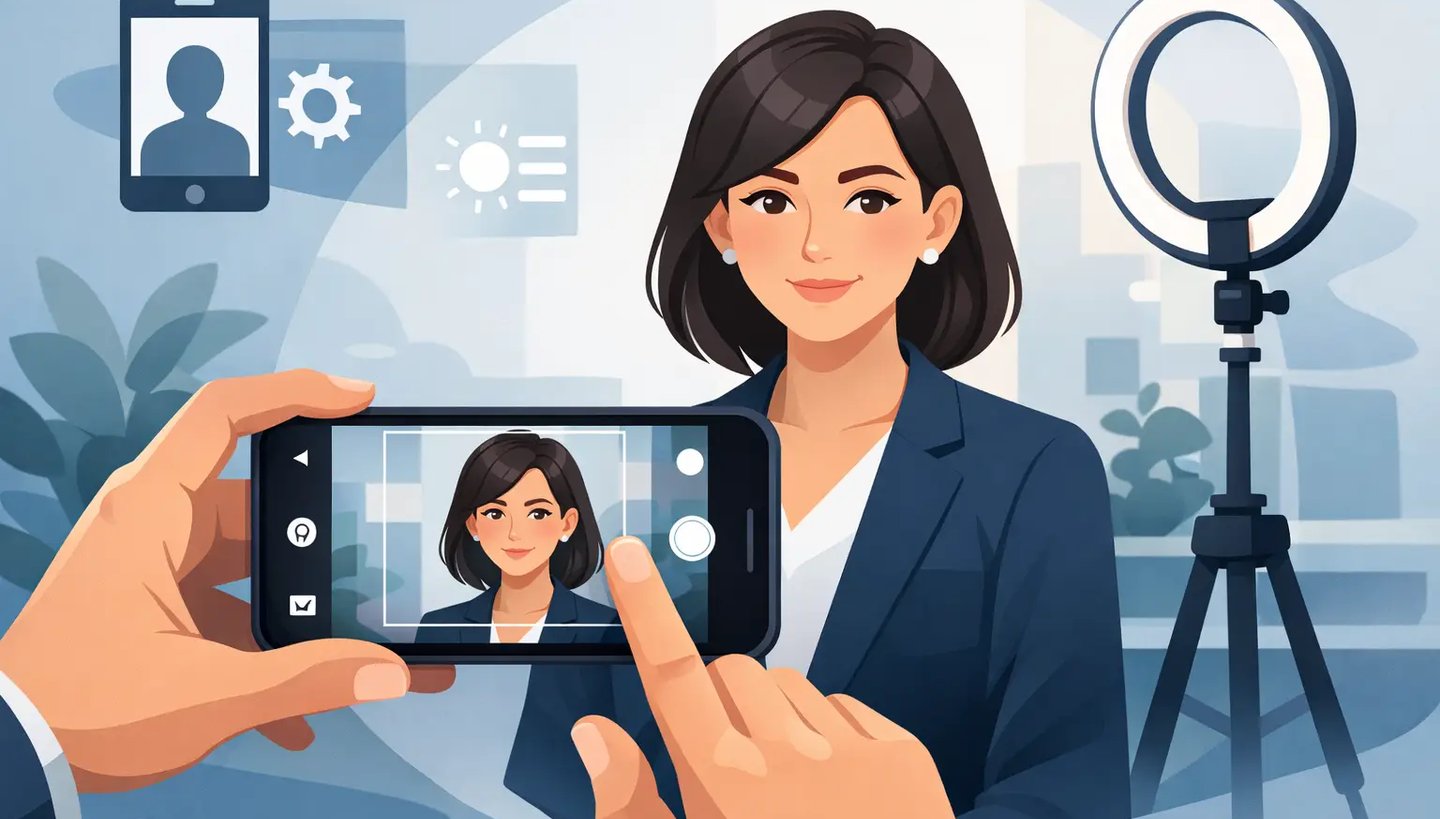

A rushed selfie in bad apartment lighting can cost you attention before anyone reads your resume, casting profile, or bio. If you need to know how to take professional headshot photos with iPhone, the good news is you do not need a full studio to make a strong first impression. You do, however, need to be intentional. A professional-looking headshot is less about the phone and more about lighting, framing, expression, and making choices that fit your goals.
For actors, creatives, and professionals trying to stay visible, an iPhone headshot can absolutely work for a temporary update, a quick submission, or a polished social profile. It is not always a replacement for a studio session, especially when you need agency-level consistency or a full set of marketable looks. But if you do it right, your iPhone can produce a clean, credible image that helps you look ready for the next opportunity.
How to take professional headshot photos with iPhone and make them look credible
The first thing to get right is the purpose of the photo. A LinkedIn headshot, an acting submission, and a personal brand portrait do not ask for the exact same thing. LinkedIn usually rewards clean, trustworthy, and polished. Acting headshots need personality, authenticity, and current likeness. Personal branding can bend a little more stylized, but it still needs to look intentional.
That purpose should shape everything else, including wardrobe, expression, crop, and background. People often make the mistake of trying to create one photo that does every job. Usually, that leads to a picture that feels generic. If your main goal is casting, keep it simple and true to type. If your goal is business credibility, aim for sharp, approachable, and confident.
Start with light, not the camera settings
If the light is wrong, the photo will look cheap no matter how new your phone is. Good light is the fastest path to a more professional result. The best low-cost setup is soft natural light from a large window. Stand facing the window or at a slight angle, with the light hitting both sides of your face evenly. Late morning or early afternoon often works best because the light is bright but not harsh.
Avoid direct overhead sun, mixed indoor lighting, and standard ceiling bulbs when possible. Those create uneven skin tones, heavy under-eye shadows, and a flat look that reads amateur. If you are indoors at night, a basic ring light can help, but it needs to be used carefully. Too bright and too close, and you get that obvious, overlit social media look instead of a professional headshot.
A clean wall near a window is usually enough. Light gray, off-white, or a neutral textured background works better than a busy room, exposed kitchen, or random street corner. The point is to keep the attention on your face.
The best iPhone position for flattering results
Most people hold the phone too close and too low. That creates distortion, especially around the nose and jawline. For a better headshot, place the iPhone a few feet away and use the rear camera, not the front-facing selfie camera. The rear camera gives you better image quality and more natural detail.
Set the camera at about eye level or slightly above. That angle is usually the most flattering and professional. If the camera is too high, it can feel forced. Too low, and it becomes unflattering fast. Use a tripod if you have one. If not, prop the phone securely on a shelf or stable surface and use the timer.
Portrait mode can help create separation between you and the background, but it is not perfect. Hair edges, glasses, and clothing details sometimes get blurred in awkward ways. Take shots with Portrait mode on and off so you have options. If Portrait mode looks fake, the standard photo setting may actually look more polished.
What to wear if you want the photo to work harder for you
Clothing matters because headshots are not just pictures. They are positioning tools. Wear something that supports the role or professional image you want to project. Solid colors tend to photograph best. Mid-tone blues, darker neutrals, earth tones, and simple black tops often work well depending on your skin tone and industry.
Skip loud patterns, tiny stripes, neon colors, and anything with a distracting logo. Those choices pull the eye away from your face. For acting, choose wardrobe that feels like a clean version of your type, not a costume. For business, choose clothing that looks current, tailored, and credible.
Grooming also matters more than people expect. A little shine control, tidy hair, and clean lines around facial hair can elevate the whole image. You do not need heavy glam. You do need to look intentional. On camera, polished usually reads as confident and prepared.
Expression is where most DIY headshots fall apart
A technically decent photo can still fail if the expression feels stiff, vacant, or over-rehearsed. Professional headshots work because they feel present. The person looks engaged, relaxed, and believable. That takes a little practice.
Do not freeze into a smile and hold it. That creates tension around the mouth and eyes. Instead, reset between frames. Breathe. Look away. Think of a real person, real goal, or real emotion that fits what you are trying to communicate. Then look back into the lens. Small shifts in expression make a huge difference.
For corporate and personal brand headshots, aim for approachable confidence. For acting, let more personality come through. The best shot is often not the biggest smile. It is the one that looks the most alive.
If someone is helping you take the photo, ask them to keep shooting while you move slightly between frames. Tiny changes in head tilt, chin position, and eye energy can turn an average image into the one that actually gets used.
Framing your shot the professional way
A strong headshot usually keeps the frame simple. Your face should be the clear focus, with some space above the head and enough room to crop for different platforms. Most professional headshots are framed from the chest or shoulders up, depending on use.
Keep your shoulders angled slightly rather than squared straight at the camera unless you want a very direct look. A slight angle adds shape and feels more natural. Extend your forehead just a touch toward the camera and lower your chin slightly if needed. It sounds strange, but it helps define the jawline without looking forced.
Take more images than you think you need. The difference between usable and strong is often just one subtle moment.
Editing your iPhone headshot without making it look fake
Editing should clean up the image, not advertise itself. The goal is to look like your best current self. Use the iPhone editing tools or a simple photo app to make small adjustments to brightness, contrast, warmth, and sharpness. If your skin tone looks off, fix that first. Accurate color matters more than dramatic style.
Be careful with skin smoothing. Too much retouching makes you look plastic, and that can work against you in casting, networking, or job searches. Remove temporary distractions if you want, but keep texture. Keep likeness. A headshot should still look like the person who walks into the room.
Cropping also matters. Make sure your eyes sit in a strong position within the frame and that the crop feels balanced across platforms. Test the image as a square and a vertical crop if you plan to use it in multiple places.
When an iPhone headshot is enough, and when it is not
This is where honesty matters. An iPhone headshot can be a smart move when you need something fast, affordable, and good enough for a profile refresh, networking page, website bio, or quick submission. It can absolutely outperform an outdated studio photo or a random casual picture.
But if your career depends heavily on first impressions, competition, and booking potential, there is a limit to DIY. Professional lighting, coaching, lens choice, retouching, and session direction still create a different level of result. That matters when you are trying to look competitive in a crowded market.
For actors especially, your headshot is not just a photo. It is part of your marketing package. It needs to represent your type, your range, and your current look with precision. That is where a professional session earns its value. Studios like Headshots by Wick are built for exactly that - fast, career-focused images that help you show up ready.
If you are shooting with your iPhone, treat it like a real session. Plan the light. Pick the right wardrobe. Slow down. Take enough frames to find the expression that feels true and usable. A strong headshot does not need to be expensive, but it does need to look like you take your next opportunity seriously.
And if your phone gets you through the moment, great. Just make sure the photo you put out there is helping you move forward, not keeping you invisible.