1734 North Main St., Los ANgeles, CA 90031 call/text 213-479-8672
Professional Headshots
5/16/20266 min read
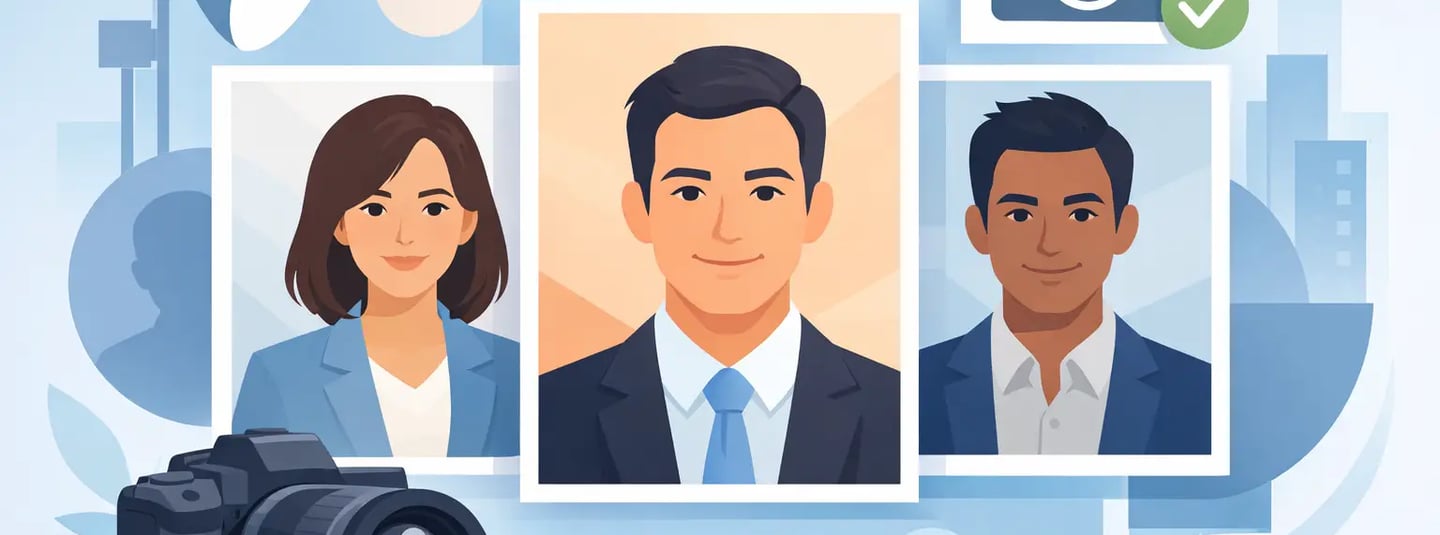
A hiring manager spends seconds on a profile. A casting director scans dozens of submissions in one sitting. In both cases, the image attached to your name starts shaping the decision before anyone reads your resume or credits. So what is a professional headshot? It is a purpose-built portrait designed to present you clearly, credibly, and competitively for career opportunities.
That last part matters. A professional headshot is not just a nice photo of you. It is a strategic image created for a specific business goal, whether that is landing auditions, improving your LinkedIn presence, building a personal brand, or showing clients and employers that you take your work seriously. The difference is intent. Every choice in the photo, from expression to lighting to wardrobe, supports how you need to be seen.
What is a professional headshot, exactly?
A professional headshot is a clean, high-quality portrait that focuses on your face and expression while reflecting your professional identity. It is usually framed from the chest up, though some industries also use three-quarter or full-length options. The goal is to create an image that feels polished, current, and usable across career platforms.
For actors and performers, that often means a headshot that looks natural, marketable, and true to type. For business professionals, it usually means an image that communicates confidence, approachability, and competence. The style can vary, but the standard stays the same: you should look like yourself on your best day, ready for the opportunity in front of you.
This is where people sometimes get confused. A headshot is not the same as a family portrait, fashion editorial, graduation photo, or heavily filtered social media picture. Those images can be great for other purposes, but they are not built to sell your professional value quickly.
What makes a headshot professional?
The word professional does not just mean it was taken with an expensive camera. It means the image meets the expectations of the industry where it will be used.
Lighting is a big part of that. A professional headshot uses controlled light to flatter your features without hiding them. Your skin tone should look accurate. Your eyes should be visible and engaged. Shadows should add dimension, not distraction.
Composition matters too. In a strong headshot, your face is the focus. The background does not compete with you. Cropping feels intentional. Nothing in the frame should pull attention away from your expression.
Then there is expression, which is often the difference between a usable image and one that gets passed over. A professional headshot should feel alive. Not stiff, not over-rehearsed, and not trying too hard. You want presence. That is true for executives and it is especially true for actors, where casting often responds to authenticity first.
Retouching plays a role, but only to a point. Good retouching cleans up temporary distractions like blemishes or under-eye shadows without erasing what makes you look like you. If your headshot looks dramatically younger, smoother, or different than you appear in person, it can work against you.
Why professional headshots matter in real careers
A strong headshot helps people take you seriously faster. That sounds simple, but it has real value when opportunities move quickly.
If you are an actor, your headshot is one of the first filters between you and an audition. Before anyone sees your reel or your self-tape, they are deciding whether your image fits the role, the brand, or the general level of professionalism they expect. A weak headshot can make you look inexperienced even if your talent is solid.
If you work in business, real estate, law, media, coaching, tech, or any client-facing field, your headshot often appears on company websites, speaking profiles, press materials, and networking platforms. People want to know who they are dealing with. A clear and current image builds trust faster than a cropped vacation photo ever will.
There is also the visibility factor. People remember faces. When your photo is polished and consistent across platforms, you become easier to recognize and easier to place. That kind of visual consistency supports credibility.
What is a professional headshot used for?
The answer depends on your industry, but the common thread is opportunity. Professional headshots are used for casting submissions, agency profiles, auditions, company websites, LinkedIn, business cards, speaker bios, press kits, social platforms, and personal branding. In Los Angeles especially, where competition is high and first impressions carry weight, having the right image ready is not extra. It is basic career equipment.
That does not mean one photo works for every purpose. An actor may need a theatrical look, a commercial look, and a tighter close-up that plays well on casting platforms. A business owner may want one polished image for LinkedIn and another with a little more personality for marketing. The right session often includes multiple looks because careers are not one-dimensional.
The difference between a snapshot and a studio headshot
A phone camera can take a sharp image. That does not make it a professional headshot.
The issue is not whether a casual photo can look decent. Sometimes it can. The issue is whether it holds up in a competitive setting. Studio headshots are built with controlled lighting, intentional posing, clean backgrounds, and direction that helps you look confident without looking forced. Those details add up.
Most people are not natural in front of the camera, and that is normal. A professional session helps solve that. You get guidance on posture, expression, angles, and small adjustments that make a big difference on camera. That support is often what turns camera anxiety into a strong final image.
There is also efficiency to consider. If you need photos for casting, networking, or a profile update soon, a professional session is the fastest way to get usable results without spending weeks guessing, retaking, and settling.
How to know if your current headshot is working
If your photo is more than a couple of years old, does not really look like you anymore, or feels generic next to people in your field, it may be costing you more than you think. The market changes, your look evolves, and your materials should keep pace.
For actors, an outdated headshot can create friction right away. If your photo does not match how you show up in the room or on tape, it creates confusion. For professionals, a weak image can quietly lower perceived credibility before a conversation even begins.
A good test is simple: does your headshot communicate where you are headed, not just where you were? If the answer is no, it may be time for an upgrade.
What to expect from a professional headshot session
A strong session should feel focused, efficient, and built around results. You should know what package you are booking, how many looks you can shoot, what kind of image delivery is included, and whether retouching is part of the offer.
This is especially useful for actors and creatives who need options without wasting time. Multiple wardrobe changes can help you cover different casting lanes. A short-form session may work if you need one clean update fast. A longer session makes more sense if you want variety and room to refine your look.
If makeup support is available, that can also help the final images read cleaner on camera. Not everyone needs it, but for many clients it removes stress and creates a more polished result without adding complexity.
Studios like Headshots by Wick are built around that practical model: clear packages, fast turnaround, industry-relevant looks, and photos designed to help you compete without paying luxury studio rates.
Choosing the right style for your goals
There is no single best headshot style for everyone. It depends on who needs to respond to your image and what you want them to feel.
Actors usually do best with shots that feel current, expressive, and honest. Too much styling can get in the way. Business professionals may benefit from a cleaner corporate look, but even then, the right amount of personality matters. You want to look polished, not generic.
That is why the best professional headshots balance technical quality with market relevance. The photo should be well made, but it also needs to fit your lane. A strong actor headshot and a strong executive headshot are both professional, just not interchangeable.
A professional headshot should make the next step easier. It should help someone picture you in the room, on the set, in the meeting, or on the team. When your image does that well, it is not just a photo anymore. It is part of how you move your career forward.
If you are serious about being seen as ready, current, and bookable, your headshot should reflect that before you say a word.You didn’t come this far to stop