1734 North Main St., Los ANgeles, CA 90031 call/text 213-479-8672
What Should Actor Headshots Look Like?
6/2/20265 min read
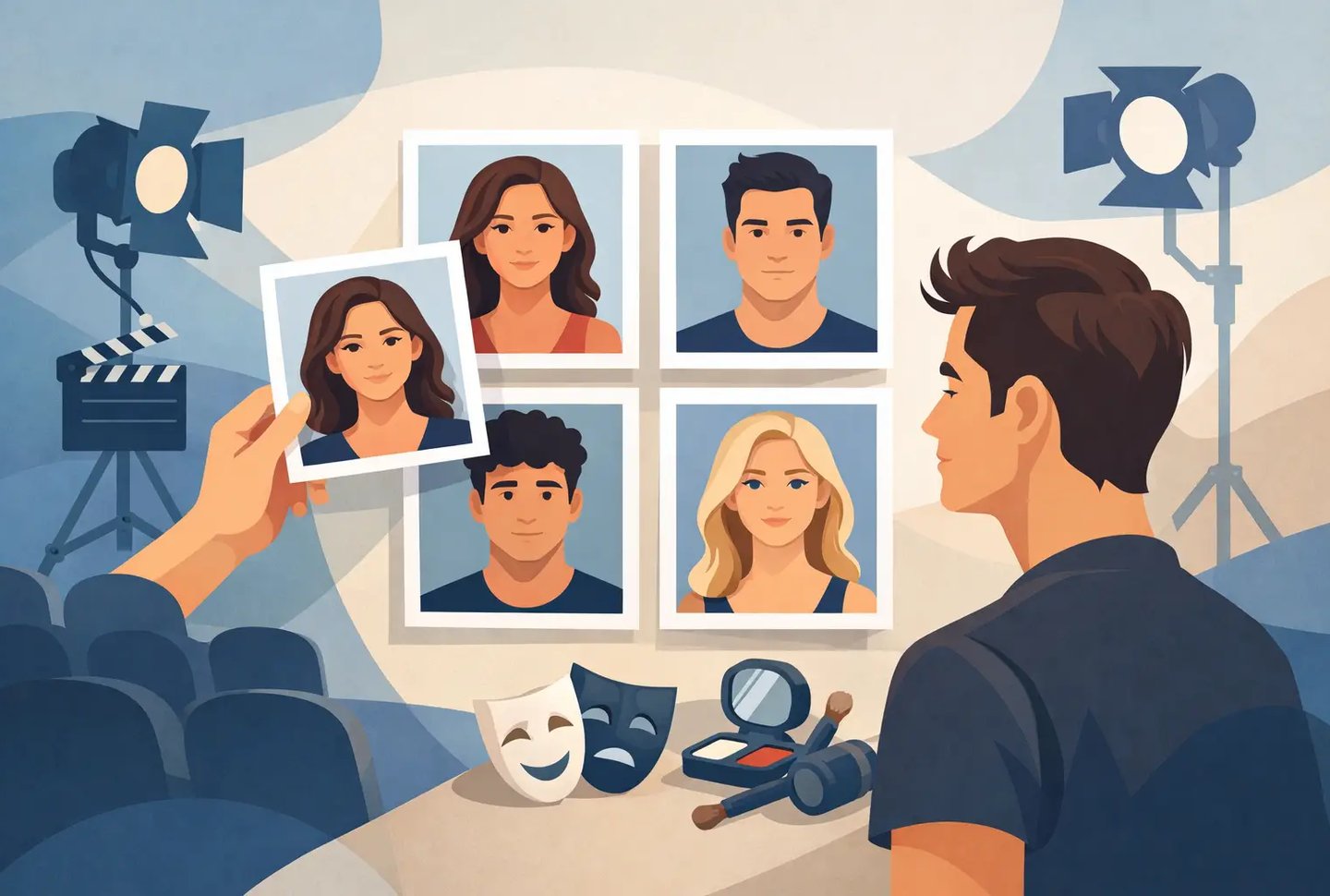
Casting can tell in seconds when a photo is trying too hard. If you're asking what should actor headshots look like, the short answer is this: they should look like you on your best, most castable day. Not overly filtered, not dressed like a character, and not styled like a fashion campaign. A strong actor headshot is a business tool. It needs to feel current, believable, and ready to sell you for the kinds of roles you can actually book.
That matters even more in Los Angeles, where submissions move fast and your photo often speaks before your reel does. A great headshot does not need to be expensive-looking in a flashy way. It needs to be clear, professional, and strategically aligned with your type.
What should actor headshots look like to casting?
They should look honest first. Casting directors want to know who is walking into the room or showing up on self-tape. If your headshot is dramatically different from your current appearance, it creates friction right away. Hair length, facial hair, weight, age presentation, and overall energy should match how you look now.
The strongest actor headshots also feel simple. Your face should be the focus. Good lighting, natural skin tone, sharp eyes, and clean composition do more for your career than heavy retouching or busy concepts. When someone scans a casting platform full of thumbnails, the image that works is usually the one that feels immediate and real.
This does not mean plain or boring. It means specific. A good actor headshot captures personality without turning into a costume. It gives casting enough information to imagine you in a role.
The key traits of a strong actor headshot
A strong headshot starts with eye contact. In most cases, your eyes should be visible, engaged, and easy to read. The expression does not have to be smiling, but it should feel alive. Blank expressions tend to disappear. Forced intensity can feel theatrical in the wrong way. What works is presence.
Wardrobe should support your type, not compete with it. Solid colors usually photograph best because they keep attention on your face. Necklines matter. Fit matters. Texture can help, but loud prints, distracting logos, and overly trendy pieces can date the image quickly. If you play grounded, approachable roles, your clothing should reflect that. If you're often called in for sharper, high-status roles, your styling can lean more polished. The point is to suggest casting range within your real lane, not invent a new identity.
Backgrounds should be clean and unobtrusive. Most actor headshots work best with soft studio backdrops or simple environmental settings that do not pull focus. The image should feel polished but not overproduced. If the background is the second thing people notice, it is doing too much.
Retouching should be light. Remove temporary distractions if needed, but keep skin texture, facial lines, and natural features. Casting is not looking for perfection. They are looking for credibility. Over-retouched headshots can make an actor seem inexperienced or disconnected from the realities of the room.
What should actor headshots look like for different types?
This is where strategy matters. There is no single actor headshot style that works for everyone because type drives the image. A comedic actor may need a brighter, more open expression. A dramatic actor may need more grounded intensity. A young professional type, a blue-collar type, a parent type, or an edgy character type will each benefit from different wardrobe choices, posture, and emotional tone.
Still, the rules stay the same. The shot should feel believable, current, and marketable. You want someone looking at your photo to think, I know where to place this person.
That does not mean you should lock yourself into one note forever. Most actors benefit from having more than one look. One image might lean commercial and approachable. Another might lean theatrical and more serious. The best sessions are built around that flexibility, giving you usable options for different submissions while keeping everything consistent with who you are.
Common mistakes that weaken actor headshots
One of the biggest mistakes is chasing a look that is not bookable for you right now. Actors sometimes style themselves for the roles they wish they were playing instead of the roles they are most likely to get called in for today. Aspirational branding has a place, but if it drifts too far from reality, it stops working.
Another common mistake is overstyling. Heavy glam makeup, stiff posing, extreme expressions, and dramatic edits can make the image feel more like a beauty shoot than a casting tool. Actor headshots need polish, but they also need access. Casting should feel like they are seeing a real person they can direct.
Outdated photos are another problem. If your headshot is even a little off from how you currently present, it can cost you trust. That includes major hairstyle changes, different facial hair, noticeable age shifts, or a style that feels years behind the market.
Then there is the issue of generic photography. Not every portrait photographer understands actor headshots. A beautiful image is not automatically a useful one. Headshots for actors are about casting relevance, framing, expression coaching, and selecting images that fit submission realities.
The role of lighting, framing, and expression
Lighting should be flattering but accurate. It should shape your face well and keep your features clear without making you look overly dramatic or artificially softened. Good lighting helps your skin look healthy, your eyes look bright, and your overall presence feel polished.
Framing is usually tight enough to keep focus on your face, with room for some upper torso depending on the crop. The classic actor headshot is not too close and not too wide. It gives casting enough visual context while still landing on expression.
Expression is where the photo either works or falls flat. The best headshots are not about making a face. They are about having a thought. That is why experienced actor headshot photographers direct beyond posture. They help you shift your internal energy so the image feels connected instead of posed.
How to know if your headshot is submission-ready
Ask a practical question: if a casting director saw this thumbnail next to dozens of others, would they immediately understand your lane? If the answer is yes, you are in a good place. If the photo is attractive but unclear, it may not be doing enough.
A submission-ready headshot should also hold up across platforms. It needs to read well small, look professional full-size, and still feel like you in person. That is why clean styling and honest editing matter so much. The image should create confidence, not surprise.
For many actors, speed matters too. If you need updated looks for auditions, agency outreach, or casting profiles, the right session should give you usable variety without dragging out the process. That is part of what makes a studio-focused approach effective. You get consistency, efficiency, and images built for real-world use.
Investing in the right kind of headshot session
The best headshot session is not necessarily the most elaborate one. It is the one that gives you marketable images you can use right away. That means smart look planning, quick adjustments, strong direction, and final images that feel polished without feeling fake.
For actors balancing momentum and budget, value matters. You should know what is included, how many looks you can shoot, what retouching is provided, and how fast you will receive images. A session should help you move forward, not leave you waiting weeks to update your materials.
That is why many working actors look for a studio that understands both performance branding and practical career needs. Headshots by Wick is built around that reality, offering efficient sessions designed to help talent leave with strong, casting-ready images without overcomplicating the process.
If you are serious about getting seen, treat your headshot like the career asset it is. The right image does not just make you look good. It makes you easier to cast, easier to remember, and easier to call in when the opportunity shows up.