1734 North Main St., Los ANgeles, CA 90031 call/text 213-479-8672
10 Actor Headshot Examples That Book
7/11/20266 min read
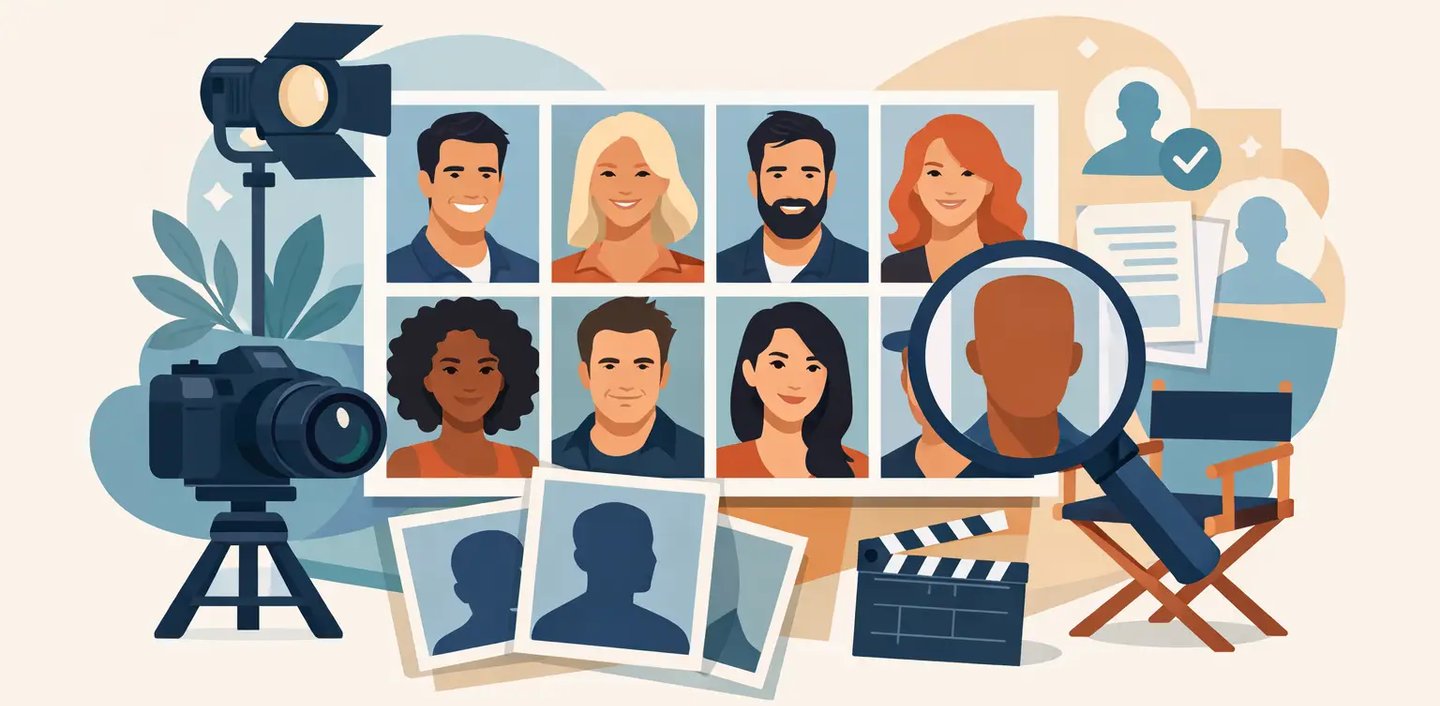
Casting can tell in seconds when a photo is trying too hard. They can also tell when a headshot feels current, castable, and easy to submit. That is why actor headshot examples that book are not just nice-looking portraits. They are strategic images built to sell a specific type, range, and level of professionalism.
If you are updating your materials, the goal is not to look more glamorous than you do in person. The goal is to look like the version of you a casting director can confidently call in today. The strongest headshots create clarity. They show who you are, where you fit, and what kinds of roles you can walk into right now.
What actor headshot examples that book have in common
Booking headshots usually share one thing above everything else: they feel believable. The lighting is clean, the expression is grounded, and the styling supports the role instead of competing with it. Nothing in the frame distracts from your face or confuses your type.
That does not mean every actor needs the same image. A comedic commercial look and a gritty theatrical look should not feel identical. What works depends on your market, your age range, and the roles you are realistically being considered for. Still, photos that book tend to show strong eye contact, natural skin texture, well-controlled wardrobe, and an expression that suggests a story without becoming a character costume.
Another common trait is usability. A great image is not just impressive in a vacuum. It works on casting platforms, agency submissions, and quick mobile viewing. If your headshot loses impact as a thumbnail, gets muddy with heavy editing, or sends mixed signals about your brand, it may be artistic but it is not doing its job.
10 actor headshot examples that book
1. The clean commercial smile
This is one of the most reliable booking looks for actors pursuing commercials, co-star roles, hosting, and upbeat lifestyle work. The expression is warm but not exaggerated. The wardrobe is simple, current, and approachable. Think polished top, solid color, and a relaxed, open face.
What makes this image work is trust. It tells casting you can sell everyday confidence, friendliness, and likability. The mistake actors make here is pushing too much energy. If the smile feels forced, the image starts reading like an ad instead of a headshot.
2. The grounded theatrical close-up
A theatrical headshot that books often has less smile and more focus. The expression is calm, alert, and emotionally available. It does not need to be dark or intense for the sake of looking serious. It just needs to feel real.
This kind of image is effective for drama, procedural, indie film, and grounded TV roles. The key is restraint. If you pile on moody styling or extreme shadow, the photo can become generic fast. Strong theatrical work usually comes from subtlety, not melodrama.
3. The confident professional look
Some actors need a headshot that crosses over into corporate, legal, medical, or authority roles. In that case, a more structured look can book well. A tailored jacket, neat grooming, and direct expression can signal competence without feeling stiff.
This works especially well if you are often cast as executives, attorneys, detectives, doctors, or people who carry authority on screen. The trade-off is that if you over-style the image, you can narrow your range too much. You want polished, not locked into one occupation.
4. The approachable blue-collar type
A booking headshot for blue-collar, practical, everyday roles often feels a little more rugged and lived-in. The wardrobe is still clean and intentional, but less polished. The expression suggests capability, grit, and straightforwardness.
This can be a strong look for roles in service, trades, law enforcement support, mechanics, delivery, or neighborhood characters. What matters is authenticity. If the styling looks like a costume version of working class, it will not land.
5. The comedic personality shot
Comedic headshots that book usually show timing through expression, not through gimmicks. There is often a spark in the eyes, a slight asymmetry in the smile, or a look that hints at point of view. The actor still looks like themselves, just with personality turned on.
This kind of image helps when your strength is comedy, improv, quirky best friend energy, or offbeat charm. The trap is going too broad. A funny headshot should still leave room for casting to imagine you in a role, not just admire the bit.
6. The soft, premium streaming look
A lot of current TV and film headshots lean natural, clean, and slightly cinematic without becoming overly stylized. The expression is subtle. The retouching is minimal. The image feels elevated but still present-day.
This works because the market has shifted away from overly glossy actor photos. Casting wants to believe the person in the image will walk into the room looking the same. If you want a modern headshot that books across multiple categories, this is often a smart direction.
7. The strong character-leaning look
Some actors book because they own a specific lane. Maybe you read as edgy, sharp, suspicious, intense, elite, rebellious, or highly intellectual. A strong character-leaning headshot can work well when it reflects your natural essence rather than a manufactured persona.
This image should still be based in truth. It is not about fake scars, wild props, or dramatic costumes. It is about choosing styling, posture, and expression that help casting immediately understand your strongest casting zone.
8. The polished beauty shot for on-camera appeal
For actors whose bookings depend partly on aspirational, polished, camera-friendly presence, a beauty-driven headshot can absolutely work. This is common for commercial, hosting, lifestyle, beauty, and certain network-friendly roles. Skin looks fresh, hair is controlled, and the framing is flattering.
The difference between a beauty shot that books and one that gets skipped is usefulness. If the image feels too editorial or too filtered, it stops serving casting and starts serving social media. A booking image still has to look like a person you can hire next week.
9. The low-key dramatic profile builder
Not every image needs to be your main submission photo. Some of the best booking sets include a secondary look that expands your range. A lower-energy, more introspective image can help build out your profile and show depth.
This kind of shot is useful if your primary photo is brighter and more commercial. It gives reps and casting a second option that supports different submissions. The best secondary looks still feel connected to your brand. Random variety for its own sake usually weakens the package.
10. The current, age-right reset shot
Sometimes the most effective headshot is simply the one that finally reflects who you are now. Hair changed. Your face matured. Your type sharpened. Your old image still looks good, but it no longer sells the right version of you.
This example books because it removes friction. Casting does not feel surprised when you walk in. They do not wonder if the photo is five years old. They see a current, accurate actor who understands where they fit in the market today.
What casting notices first
Before anyone studies your resume, they are reading your face. Eye contact matters. So does expression. Are you present, specific, and easy to place? Or does the image feel vague, overperformed, or disconnected?
Wardrobe also communicates fast. Solid colors usually hold up better than busy patterns because they keep attention on your face. Necklines matter. Fit matters. Texture can help, but only when it supports the role you are selling. One of the biggest mistakes is bringing clothes you like personally instead of clothes that help communicate your castability.
Retouching is another make-or-break detail. Good retouching cleans up temporary distractions. Bad retouching removes the human being. If your skin looks plastic or your face shape changes, the image loses trust immediately.
How to choose the right booking look for your type
Start with realism. Ask what roles you are getting called in for, what roles people assume you can play, and where your look fits in the current market. Your best headshot is rarely the version of you that looks the most glamorous. It is the version that gets the fastest yes.
It also helps to think in pairs. Many actors benefit from one strong commercial image and one strong theatrical image. Others need a cleaner authority look plus a more relaxed everyday option. The exact mix depends on your submission strategy. If you mostly target theatrical work, chasing a broad commercial smile for your main photo may not help much. If you do a lot of commercial auditions, a moody dramatic close-up may not carry enough utility.
This is where a studio session built around multiple looks can make a real difference. Instead of hoping one image covers everything, you create a small set of targeted options that match how you actually submit.
Why the session matters as much as the final image
The best actor headshots are not accidents. They come from preparation, direction, and enough variety to find the look that clicks. A rushed session can still produce something usable, but if you want images that compete, you need a photographer who understands casting, expression, and marketable range.
That does not mean the process needs to be expensive or complicated. It means your session should be built for results. Multiple outfit options, clear guidance, fast delivery, and clean retouching all matter because they help you leave with images you can use immediately. For actors in Los Angeles trying to move quickly, that kind of efficient, career-focused setup is often more valuable than a luxury experience that produces beautiful photos with no casting strategy behind them.
At Headshots by Wick, that practical approach is the point. The goal is not to create precious portraits. It is to create headshots that help you submit with confidence and compete for real opportunities.
A strong headshot will not book the role by itself, but it can get you into the room faster. And when your image finally matches your type, your market, and your momentum, the whole process starts working a lot harder for you.