1734 North Main St., Los ANgeles, CA 90031 call/text 213-479-8672
Casting Headshot Requirements Guide
6/6/20266 min read
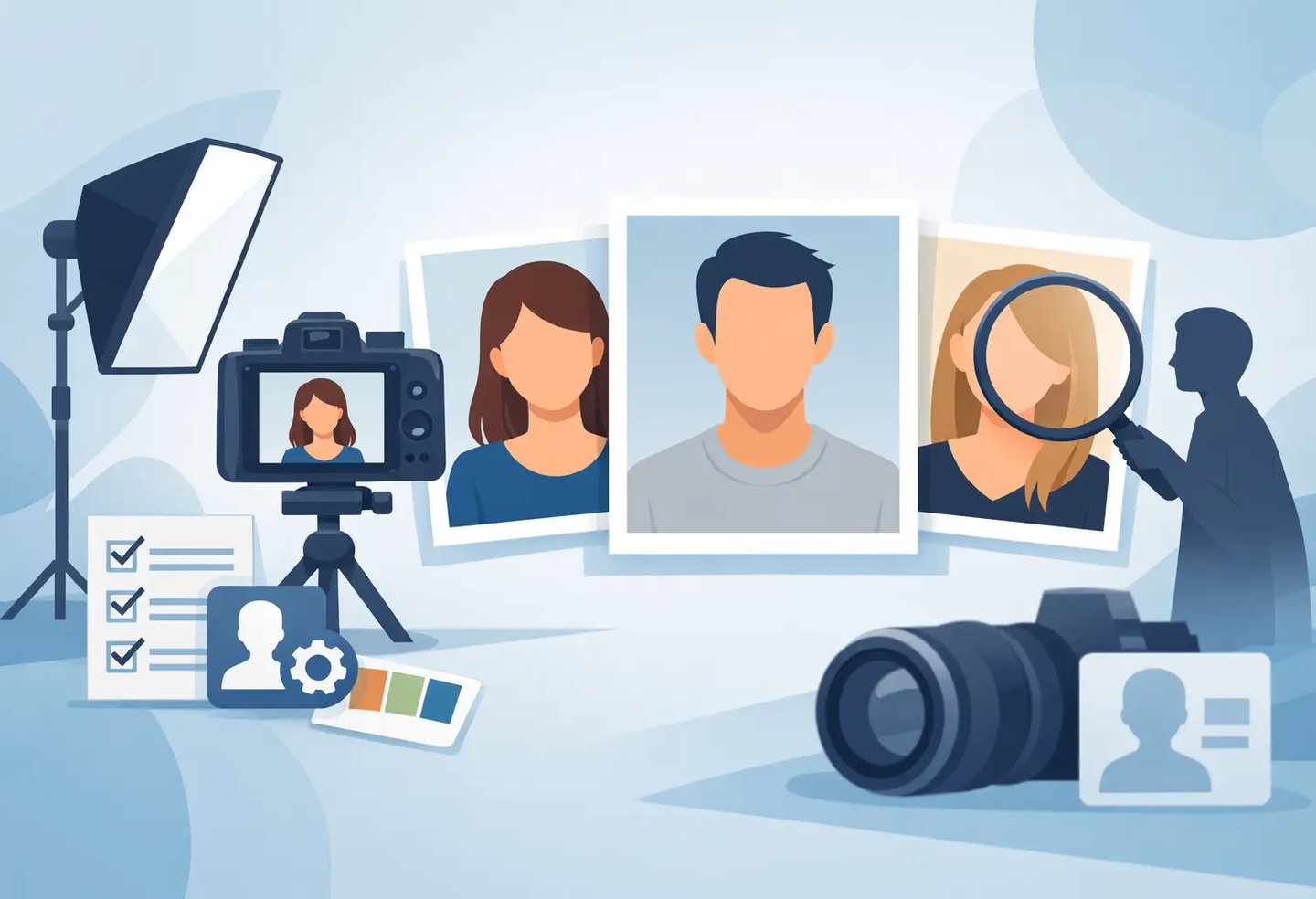
One photo can get you opened, skipped, shortlisted, or called in. That is why a solid casting headshot requirements guide matters. If your image looks outdated, over-retouched, badly cropped, or off-brand for the roles you actually book, you are making casting work harder than it needs to.
For actors and performers in Los Angeles, a headshot is not decorative. It is a working tool. It needs to look like you on your best, most castable day, and it needs to hold up across casting sites, agency submissions, and direct outreach without raising questions about whether you still look the same in person.
What casting actually wants from your headshot
Casting is moving fast. They are reviewing a large volume of submissions, often in batches, and your headshot has one job first - read clearly at a glance. Before anyone studies your resume, reel, or special skills, they are deciding whether your photo feels current, professional, and believable for the role.
That means the best headshots are usually simple, not flashy. Strong eye contact, clean lighting, accurate skin tone, sharp focus, and an expression that feels real will outperform a photo loaded with styling tricks. If the image looks expensive but does not look like you, it is the wrong image.
This is where people get tripped up. They think casting wants a dramatic portrait. Usually, casting wants clarity. They want to know who is walking into the room or logging into the self-tape. If your headshot creates uncertainty, it is costing you opportunities.
The core casting headshot requirements guide for submissions
A practical casting headshot requirements guide starts with the basics: your image should be current, high-resolution, professionally lit, and framed to keep the focus on your face. For most theatrical and commercial submissions, the standard choice is a close-up or medium close-up with your head and shoulders clearly visible.
Your expression should match the kind of work you are pursuing. That does not mean forcing a type. It means being strategic. If you are targeting upbeat commercial work, your photo should feel open, approachable, and alive. If your lane is grounded dramatic work, the expression can be more restrained. Either way, the image still needs warmth and presence. Blank is not interesting. Overacting is not believable.
Wardrobe matters, but not because casting cares about fashion for its own sake. Clothing should support your type and keep attention on your face. Solid colors tend to work better than busy patterns. Necklines and layers can help frame the face. The right jacket, tee, or blouse can subtly shift your market without looking costume-y.
Background matters less than many people think, but it still matters. It should be clean and unobtrusive. The point is separation and polish, not distraction. If the background competes with your face, the photo is doing too much.
Retouching should be minimal and believable. Casting expects you to look polished, but they do not want to meet a different person at the audition. Keep temporary distractions under control, but do not erase texture, lines, or defining features that make you look like yourself.
What size, crop, and file style usually work best
Submission platforms can have different technical specs, but the image itself should start from a strong professional file. A vertical crop is the safest choice because it fits most casting profiles naturally. Your eyes should sit prominently in the frame, and your face should still be readable when the image appears small on a screen.
This is one of the biggest reasons extreme wide crops underperform. On a full-size monitor they may look cinematic. In a thumbnail grid, they lose impact. Casting often sees your image small first and full-size second, so readability at both sizes matters.
Resolution should be high enough to stay sharp, but file size may need to be adjusted before uploading to certain platforms. That is a technical step, not an excuse to start with a weak original. Begin with a clean, professional master image and export versions as needed.
Black and white headshots still have a place for some actors, but color is the current standard for most submissions. Color gives casting more information and tends to feel more current. If you love a black and white look, treat it as a secondary option, not your primary calling card.
The biggest mistakes that hurt booking potential
The most common mistake is using an old headshot because it is the one you liked best. If your hair, weight, age, style, or overall energy has shifted, your image needs to shift too. Casting does not want surprises. A current photo builds trust before you even step into the room.
The second mistake is choosing a headshot based on personal preference instead of market usefulness. Your favorite image might be beautifully lit and flattering, but if it does not reflect your actual casting range, it is not helping. A useful headshot is not always the most glamorous one. It is the one that gets you submitted with confidence.
Another problem is over-styling. Heavy makeup, trendy editing, dramatic wardrobe choices, or hard-to-read expressions can make a headshot feel more like a social media image than a casting tool. There is nothing wrong with looking polished. The issue is when styling starts to overpower truth.
Then there is inconsistency. If your headshot says polished network attorney but your reel, resume, and self-tapes all point toward quirky commercial best friend, your package feels unfocused. You do not need to fit into one box forever, but your materials should make sense together.
How many looks do you really need?
It depends on where you are in your career and how broad your casting range is. Many actors do best with two or three strong looks instead of trying to cover every possible type in one session. One commercial-friendly look and one theatrical look is often a smart starting point.
If you are more established or submit across distinct categories, multiple looks can make sense. The key is making sure each look serves a real purpose. Different does not automatically mean useful. A wardrobe change only matters if it shifts your market in a clear way.
This is why efficient studio sessions tend to work well for working actors and aspiring talent alike. You want enough variety to support submissions, but not so much experimentation that you leave without a focused set of images you can actually use.
Hair, makeup, and styling choices that help
Good styling should make you look camera-ready, not unrecognizable. Hair should look clean, intentional, and close to how you would realistically show up to an audition. Makeup should reduce distraction and even things out on camera while keeping skin natural.
For some people, optional makeup support is worth it because it saves time and helps the final image look polished under studio lighting. For others, especially if they know their own on-camera look well, simple self-styling works fine. The right choice is the one that gets you to a consistent, professional result without pushing you into a version of yourself you cannot maintain.
Bring wardrobe options that fit well and support your type. If you have to keep adjusting a shirt, tugging a jacket, or worrying about wrinkles, it will show in the session. Confidence reads on camera, and preparation helps create it.
Why a professional studio setup makes a difference
Phone cameras are better than they used to be, but better cameras have not changed casting standards. A submission-ready headshot still benefits from lighting control, posing direction, lens choice, retouching judgment, and a photographer who understands what the entertainment market responds to.
That does not mean you need an inflated luxury experience. It means you need images that are credible, current, and ready to work. A fast, affordable studio session can absolutely deliver that when the process is built around actors and performers instead of generic portrait clients.
Studios that understand casting know the goal is not just to make you look good. It is to make you submit well. That is a different standard, and it usually produces better results for people who are actively chasing auditions.
Choosing the right headshot for each opportunity
Once you have a strong gallery, selection becomes the next strategy point. Use the image that aligns most clearly with the role or platform. Commercial casting profiles may benefit from a brighter, more approachable shot. Theatrical submissions may call for something more grounded and specific.
For personal branding or LinkedIn, you can still use the same session if the image feels professional and direct. That is part of the value of a smart headshot session - one shoot can support auditions, agency outreach, and broader career visibility when the photos are built with purpose.
At Headshots by Wick, that practical mindset matters because most clients are not shopping for fine art portraits. They need fast, marketable images that help them compete now, not six months from now.
If your current photo is making casting guess, it is time for a better one. The right headshot does not guarantee a booking, but it does make the next yes easier to reach.