1734 North Main St., Los ANgeles, CA 90031 call/text 213-479-8672
Full Session vs Mini Session: Which Wins?
7/11/20265 min read
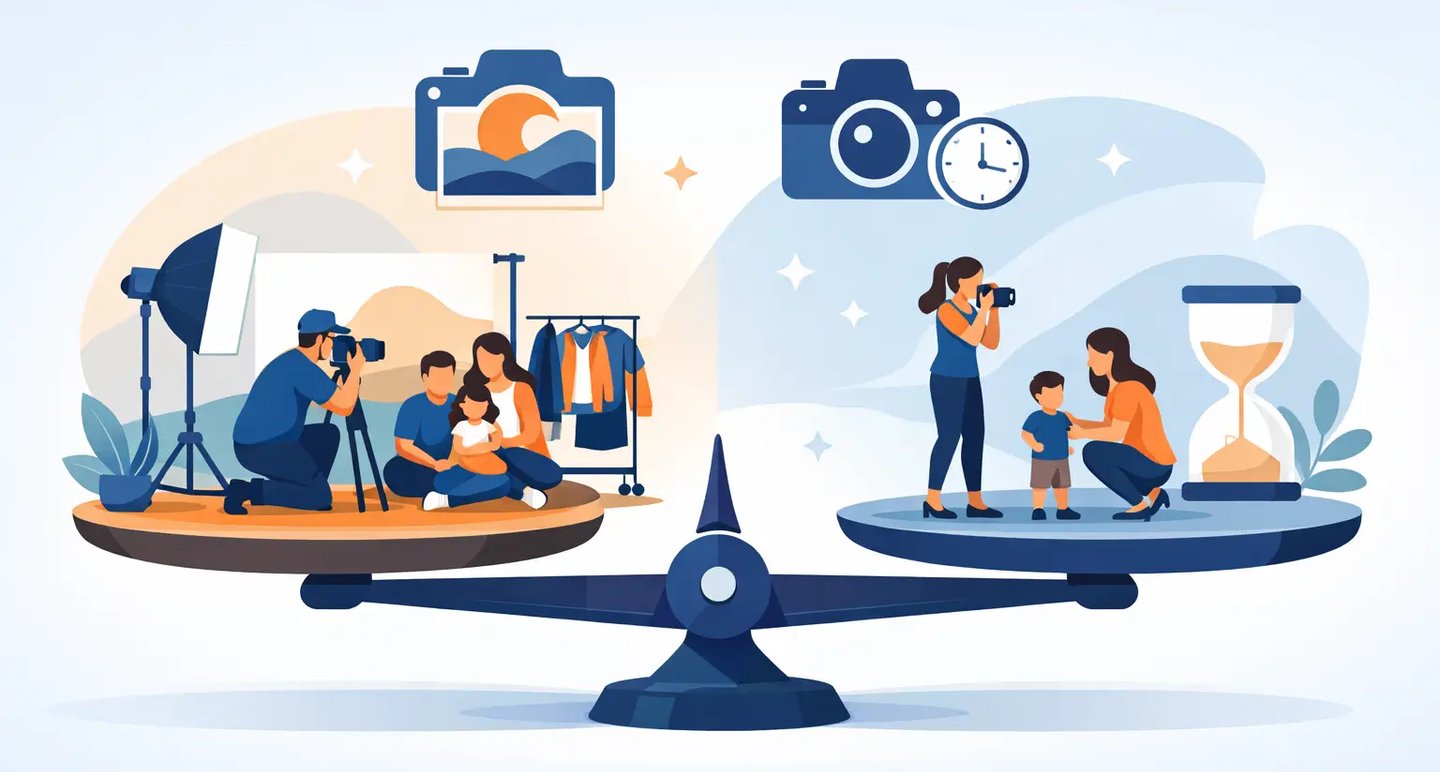
You do not need more photos. You need the right photos for the opportunities you are chasing. That is what makes the full session vs mini session decision matter. If you are updating your casting profile, refreshing LinkedIn, or trying to look more competitive in a crowded market, the session format you book affects how much variety you get, how much pressure you feel, and how flexible your final images will be.
A lot of people assume the cheaper or faster option is automatically the smarter one. Sometimes it is. But sometimes a mini session saves money upfront and costs you momentum later because you leave with fewer looks, fewer expressions, and less room to adjust if the first setup is not quite landing. The right choice depends on what you need your headshots to do for you now.
Full session vs mini session: the real difference
The biggest difference is not just time on the calendar. It is creative room.
A mini session is built for speed. You come in with a clear goal, a polished look, and a narrow target. Usually that means one strong setup, limited changes, and a quick turnaround from camera to final selects. For someone who needs a clean professional update or a simple replacement for an outdated image, that can be enough.
A full session gives you more range. More time means more chances to test expression, adjust wardrobe, shift lighting, and create images for different uses. If your headshot needs to work across acting submissions, personal branding, professional profiles, and social platforms, that extra range becomes valuable fast.
This is why the full session vs mini session choice should be based on your career needs, not just your schedule. A short session is efficient. A full session is strategic.
When a mini session makes sense
Mini sessions work best when your goal is specific and your visual brand is already pretty clear.
If you already have headshots you like and just need one newer option that feels current, a mini session can be a smart move. The same goes for professionals who need a polished image for LinkedIn, company bios, speaking engagements, or press features and do not need a wide set of looks.
It can also be a strong fit if you are on a tighter budget and need something solid now rather than waiting months to book anything at all. A good headshot today is often more useful than an outdated one you keep meaning to replace.
That said, mini sessions are less forgiving. There is less time to settle in, less time to troubleshoot wardrobe choices, and less room to shift direction if your first expressions feel stiff or too generic. If you tend to warm up slowly on camera, that matters.
Mini sessions are best for focused needs
A mini session is usually the right fit if you need one main look, you know your angles, and you are comfortable showing up camera-ready. It is built for people who want efficiency and already know what result they are after.
For actors and performers, this can work if you are refreshing an existing type rather than building a full submission package from scratch. For professionals, it works well when credibility is the main goal and variety is less important.
When a full session is worth it
A full session is usually the better investment when your image needs to do more than one job.
If you are building or rebuilding your materials, a longer session gives you the flexibility to create multiple usable looks. That might mean commercial and theatrical options, polished and approachable expressions, or different outfits that match different parts of your brand. Instead of trying to squeeze everything into one quick setup, you get room to create intentionally.
This matters even more if you are actively pursuing auditions, representation, new clients, or career growth. Opportunities move fast. Having a stronger range of images ready to go can save you from scrambling later.
A full session also helps if you are not fully confident in front of the camera yet. Most people are not. More time gives you a chance to relax, take direction, and hit a more natural expression. That often leads to the image that actually gets used, not just the one that technically looks fine.
Full sessions give you more than more photos
The real benefit is not volume. It is choice.
With a full session, you are more likely to walk away with images that serve different purposes and moods. One photo might feel right for a casting submission. Another might be stronger for your website bio. Another might be ideal for a clean professional profile. That flexibility can stretch the value of the session much further than the session fee alone suggests.
Budget matters, but so does replacement cost
It is easy to compare price tags and stop there. But a cheaper session is not automatically the better value if it needs to be replaced sooner.
If a mini session gives you one strong image and that solves your current need, great. That is a win. But if you book a mini session while hoping it will somehow cover multiple goals, you may end up booking again sooner than expected. At that point, the lower upfront cost does not look as efficient.
A full session often makes more financial sense for people who need flexibility over time. If you can get several strong looks from one appointment, you may not need to update as quickly. For working talent and professionals managing both visibility and budget, that matters.
How to choose the right option for your goals
Instead of asking which format is better, ask what your next opportunity requires.
If you need one polished, credible image fast, a mini session is probably enough. If you need range, brand clarity, or images that support different types of submissions, a full session is usually the stronger move.
You should also be honest about how you perform on camera. Some people lock in quickly. Others need ten minutes to stop overthinking their face. There is no shame in that. In fact, knowing that about yourself can save you from booking too short a session.
Your wardrobe situation is another clue. If you already know exactly what you are wearing and why, mini may work. If you are deciding between several options or need multiple looks, full is safer and more useful.
Full session vs mini session for actors and professionals
For actors, the full session vs mini session decision often comes down to type and range. If you are targeting a very specific lane and just need a current shot that matches it, mini can absolutely do the job. If you need to show contrast, update your materials for several submission uses, or test a few directions, full makes more sense.
For professionals, the same principle applies. A mini session is excellent for a straightforward corporate or branding update. A full session is better when your image needs to support speaking, consulting, media appearances, business development, and online branding all at once.
Neither option is the "serious person" choice by default. The better choice is the one that matches your current objective without leaving you underprepared.
The best session is the one you will actually use
A lot of stalled career momentum comes from hesitation. People wait because they are unsure which package to book, then keep using photos that no longer represent where they are headed.
If that is where you are, keep it simple. Book the session format that matches your immediate need and gets you into the studio. A mini session can move you forward quickly. A full session can give you broader assets for a bigger push. Both can be smart when chosen for the right reason.
At Headshots by Wick, the goal is not to sell you extra time you do not need. It is to help you leave with images that actually work for your next step. Pick the session that supports your momentum, not the one that sounds safest on paper.
The right headshot should make you easier to cast, easier to trust, and easier to remember. Choose the format that gives you the best shot at that.