1734 North Main St., Los ANgeles, CA 90031 call/text 213-479-8672
How to Choose Headshot Outfits That Book
6/10/20265 min read
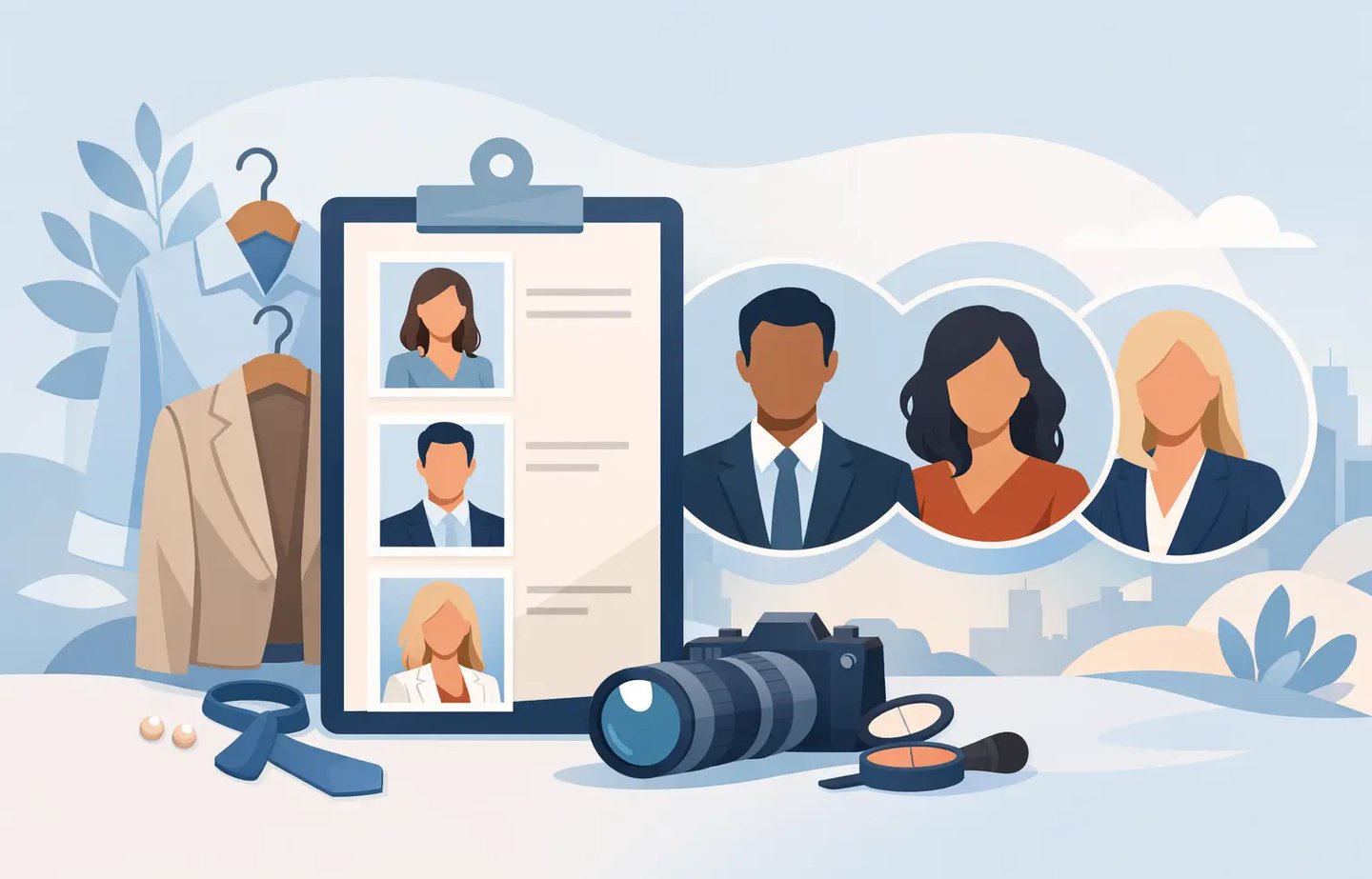
You can have great lighting, strong expression, and a polished retouch, but if your shirt is fighting for attention, your headshot loses power. That is why learning how to choose headshot outfits matters before you ever step in front of the camera. For actors, performers, and professionals alike, wardrobe should support your type, your brand, and the opportunities you want next.
A headshot is not about showing your full personal style range. It is about making casting directors, recruiters, clients, and collaborators see you clearly and quickly. The right outfit helps your face lead the image. The wrong one creates distraction, confusion, or a look that does not match your market.
How to choose headshot outfits for your goals
Start with where the image is going to be used. An actor submitting for co-star roles needs something different from a corporate professional updating LinkedIn, and both are different from a creative building a personal brand. Your outfit should make sense for the lane you want to compete in right now, not a vague future version of your career.
If you are an actor, think in terms of type and booking energy. Are you reading as approachable young professional, edgy musician, grounded parent, upscale executive, or comedic best friend? Your outfit should hint at that world without turning into wardrobe for a scene. Keep it honest. If you would never wear it to an audition or industry meeting, it will probably feel false in the frame.
For business headshots, the goal is credibility with personality. You want to look current, capable, and polished, not stiff. The best wardrobe choices usually feel like elevated versions of what you would wear to meet a client, pitch a project, or walk into an interview where first impressions matter.
The best colors for headshot outfits
Color is one of the biggest decisions because it changes how your skin tone reads and how much attention the clothing pulls. Solid colors usually work best because they keep the image clean and professional. Mid-tone and rich colors tend to photograph well - navy, charcoal, olive, burgundy, forest green, muted blue, rust, and jewel tones are often strong choices depending on your complexion.
Black can look sharp, but it is not automatically the best option. In some cases it feels sleek and expensive. In others it reads too severe or flattens the image, especially if the lighting setup is softer or your features need more contrast. White can be crisp and modern, but it also reflects a lot of light and can become the brightest thing in the shot if not balanced carefully.
Neutrals are safe, but not all neutrals are equal. Beige, tan, and certain pale grays can wash people out on camera. If you love neutrals, choose ones with enough depth to separate from your skin tone. The point is not to wear the loudest color in your closet. The point is to wear a color that supports your face and reads clearly in a thumbnail as well as a full-size image.
Fit matters more than fashion
A trendy outfit can date your headshot fast. A well-fitted outfit almost always wins.
Clothes for headshots should skim the body cleanly without pulling, sagging, or bunching. If something is too tight, the camera often exaggerates it. If it is too loose, it can make you look less polished and less defined. Tailoring helps, but even simple pieces can look expensive when the fit is right.
Necklines matter too because they frame the face. Crew necks can look clean and modern. V-necks can elongate the neck and add shape. Collared shirts project structure and professionalism. Scoop necks, mock necks, and blazers can all work well depending on the role or brand you want to present. The best neckline is the one that flatters your face shape and gives the image balance.
Layers are useful because they add options without requiring a full wardrobe change. A jacket, cardigan, overshirt, or blazer can shift the tone of the image quickly. That matters in a session where you want multiple looks that feel distinct without overcomplicating the process.
What to avoid in headshot wardrobe
If you want your headshot to stay usable across platforms and submissions, keep the distractions low. Busy patterns, large logos, obvious brand marks, neon colors, and heavy graphics are common mistakes because they pull focus from expression. Tiny stripes, dense prints, and certain textures can also create visual distortion on camera.
Shiny fabrics can be tricky under studio lights. Sequins, satin, and anything overly reflective can catch highlights in ways that look uneven or cheap, even if the garment costs plenty. The same goes for wrinkled fabric. A great shirt with obvious creases still reads unprepared.
Accessories should be controlled, not absent by default. A simple chain, small earrings, or a watch may work if it fits your brand. Statement pieces usually do not. If someone notices the necklace before they notice your face, it is doing too much.
How many outfits should you bring?
More is not always better. Two to four strong options usually beat a suitcase full of maybes.
Bring pieces that create real variety in tone, not tiny variations of the same top. If every shirt is a similar shade of blue with the same neckline, you are not giving yourself useful range. Instead, think in terms of different booking messages. One look might feel polished and commercial. Another might feel casual and relatable. A third could lean more creative or assertive.
For actors, this is where strategy pays off. Bring looks that align with the roles you are actually competitive for. For professionals, aim for one very safe option and one that shows a bit more personality. If you are booking a session with multiple looks, each outfit should earn its place.
At Headshots by Wick, clients often get the best results when they treat wardrobe changes like marketing choices, not fashion choices. That shift makes decision-making faster and the final gallery more useful.
How to choose headshot outfits that match your industry
Different industries read clothing differently. In entertainment, personality and type matter. In corporate settings, trust and competence matter more. In creative fields, you may have more room for edge, but clarity still wins.
Actors should avoid looking overly styled unless that is part of their market. Casting wants to see you, not a costume. A leather jacket might work for one actor’s branding and look forced on someone else. A clean tee might be perfect for youth-focused commercial submissions but too casual for a more polished business-facing profile.
For entrepreneurs, agents, consultants, and executives, structured pieces tend to land well because they communicate confidence. That does not mean every headshot needs a full suit. It means the clothing should look intentional. A fitted blazer over a clean top can feel modern and credible without reading rigid.
Creatives and freelancers can push a little further, but the same rule applies - your outfit should help the viewer understand your professional value quickly. If the styling creates questions instead of answers, it is probably not the right call.
Last-minute prep that makes outfits photograph better
Even strong wardrobe can fall short without basic prep. Try everything on a few days before your session. Check fit while sitting and standing. Take phone photos in natural light. What looks good in the mirror may not be the strongest option on camera.
Steam or press your clothing the night before. Bring tops on hangers if possible. Pack backup options, but keep them focused. If you wear makeup, keep it camera-friendly and controlled. If you are getting professional makeup support, bring your outfit choices so the final look feels cohesive.
Also think about grooming around the wardrobe. Necklines affect how hair sits. Collar shape changes how jewelry reads. Facial hair should look intentional. Small details add up fast in a close-up image.
The best outfit for a headshot is the one that keeps attention on your face while reinforcing where you are headed professionally. Choose pieces that fit well, photograph cleanly, and support the opportunities you want now. When your wardrobe matches your market, your headshot does more than look good - it starts working for you.