1734 North Main St., Los ANgeles, CA 90031 call/text 213-479-8672
How Often Should Headshots Be Updated?
7/3/20265 min read
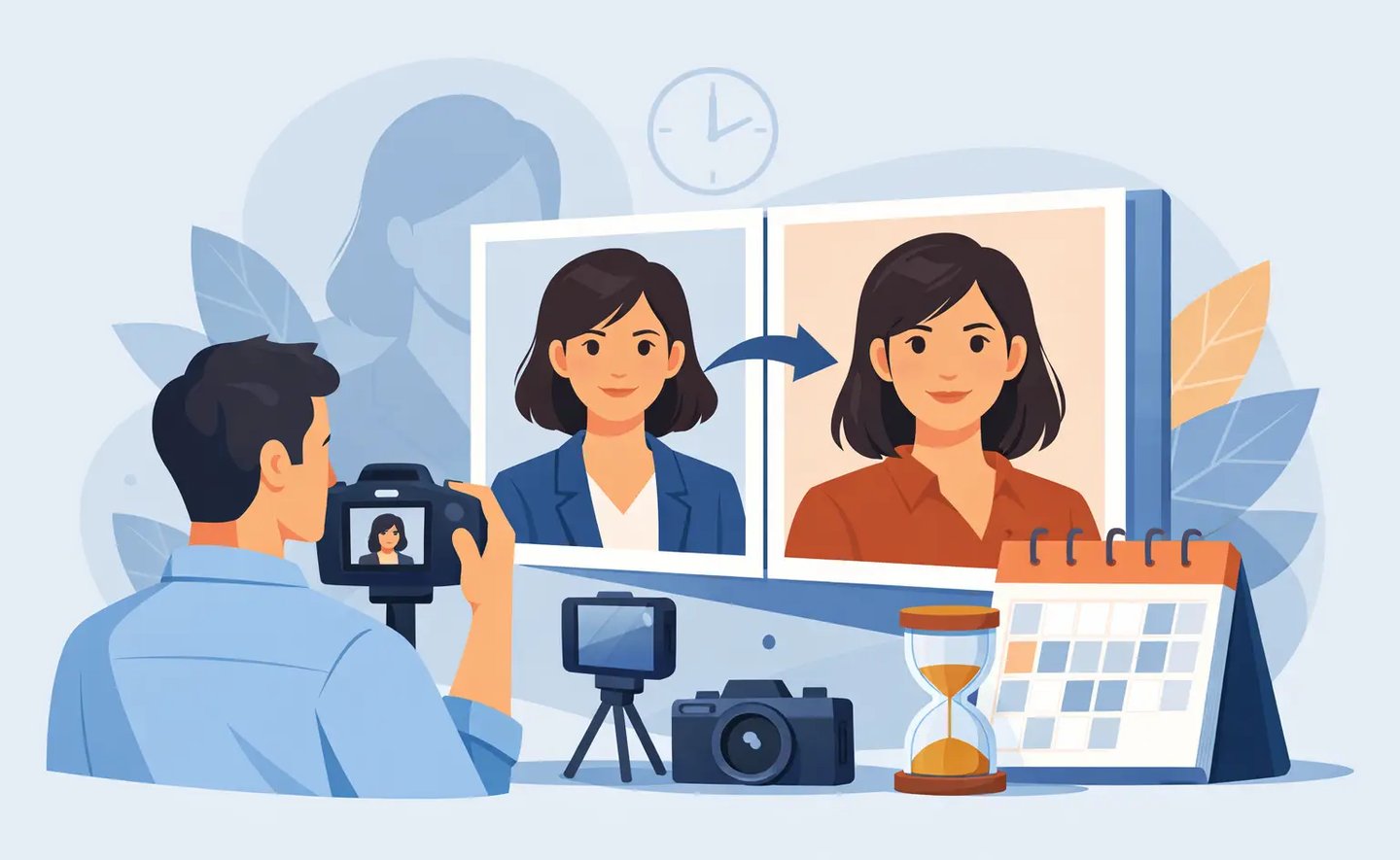
That casting profile from two years ago might still look good to you. The question is whether it still looks like the person walking into the audition room, showing up on Zoom, or meeting a client. If you're asking how often should headshots be updated, the real answer is tied to opportunity: your headshot should match how you look now, how you present yourself now, and the level of work you're going after now.
A headshot is not a one-and-done purchase. It is a working career asset. For actors, performers, artists, and professionals in Los Angeles, that matters because people make fast decisions from a small image. If the photo feels dated, off-brand, or no longer accurate, it can create friction before you even get a chance to make your case.
How often should headshots be updated for most people?
For most working adults, a good rule is every 1 to 2 years. That range is practical because it gives you enough time to get value from your images without letting them drift too far from your current look. If your appearance, style, or market position changes faster than that, your timeline should be shorter.
For actors and performers, the refresh cycle is often tighter. Many people in entertainment update every 6 to 12 months, especially if they are actively submitting, changing representation, or targeting new roles. In a market like Los Angeles, where casting is competitive and visual first impressions matter, current images are part of staying in the game.
For business professionals, entrepreneurs, and creatives outside casting, every 1 to 2 years still works well, but major career shifts can move that timeline up. A promotion, a new website, a speaking rollout, or a rebrand is a strong reason to update sooner.
The real answer depends on what changed
Time matters, but change matters more. A headshot can still be usable after a year if you look the same, dress the same, and are pursuing the same kind of work. On the other hand, a six-month-old image can already be wrong if your haircut, weight, facial hair, style, or overall vibe has shifted.
The most important test is accuracy. Could someone meet you in person today and immediately recognize you from the photo? If the answer is not a clear yes, it is time for new headshots.
This is especially true for actors. Casting wants to know who is walking through the door. If your current photo suggests one age range, energy, or type and your real appearance suggests another, your submission is doing the wrong job.
Signs it's time to update your headshots
A lot of people wait until their photos feel obviously old. That is usually too late. The better move is to update when your image stops supporting your next step.
If your hairstyle changed significantly, your current shots may already be out of date. The same goes for changes in hair color, facial hair, glasses, or overall grooming. These details affect how you read on camera and in person.
If your weight has changed enough to alter your face shape or build, update the images. That is not about perfection. It is about accuracy.
If your wardrobe has evolved, your old photos may signal the wrong market position. Maybe your previous headshots feel entry-level, overly casual, or too generic for the kind of roles or clients you want now. A stronger look can help reposition you.
Another clear sign is when your materials no longer match. If your LinkedIn photo, casting profile, website bio image, and social channels all show different versions of you, your personal brand starts to look scattered. Consistency helps people trust what they are seeing.
And if you cringe every time you send your headshot, pay attention to that. Confidence matters. You want to submit images that feel current, competitive, and ready to work.
How often should headshots be updated for actors?
Actors usually need the most frequent updates because the photo is tied directly to auditions, submissions, and type. If you are actively pursuing acting work, updating every 6 to 12 months is often the smart range.
That does not mean you need a complete overhaul every single time. Sometimes you need a full new session because your look, branding, or target roles changed. Other times you may only need a few fresh looks that reflect where you are now.
Early-career actors often benefit from more frequent updates because their image and casting type can evolve quickly. Someone who looked very teen last year may now read college, young professional, or a completely different category. If your age range shifted, your headshots should shift with it.
For established actors, the timing still depends on momentum. If you booked recent work, signed with new reps, or are aiming for a higher tier of submission quality, current professional headshots can support that next move.
For professionals, your headshot should match your level
If you are not in entertainment, the timeline can be a little less aggressive, but the standard is still real. Recruiters, clients, employers, and collaborators all notice when a photo looks outdated.
A strong professional headshot signals relevance. It says you are active, credible, and serious about how you show up. That matters whether you are applying for jobs, growing a business, pitching media opportunities, or building trust online.
If you have stepped into leadership, changed industries, or upgraded your brand, your old image may be underselling you. Many professionals keep the same headshot for four or five years because it still feels acceptable. Acceptable is not the goal. Competitive is the goal.
Don't update just because you're bored
There is a difference between strategic updating and constant reshooting. You do not need new headshots every few months just because you want variety. If your current images still look like you, fit your market, and perform well, keep using them.
The trade-off is budget and timing. Frequent updates can be smart when they reflect real changes, but unnecessary reshoots can drain resources you could use elsewhere. The best approach is to update on purpose, not out of panic.
That is why session planning matters. If you know you need a few distinct looks for casting, branding, and professional use, a well-structured studio session can give you more mileage from one shoot.
A simple way to decide if your headshots are still working
Ask yourself four questions. Do these photos still look like me right now? Do they match the type of work I want? Do they meet the quality standard of my market? Do I feel confident sending them today?
If you answer no to even one of those, it may be time to refresh.
This is where people get stuck. They wait for the perfect moment, or they assume a phone photo can fill the gap for now. But the longer you keep using images that do not represent you well, the more chances you miss without realizing it.
In a fast-moving market, being current is part of being ready.
What a smart update should actually do
A new headshot should do more than make you look polished. It should help you compete more effectively. For actors, that may mean clearer casting alignment, stronger commercial appeal, or more believable age range. For professionals, it may mean a sharper executive presence, better brand consistency, or a more modern online image.
The goal is not to look heavily retouched or overly styled. The goal is to look like the best, most marketable version of yourself on a very real day. That balance is what makes a headshot usable.
If you are updating, do it with intent. Think about where the images will be used, what roles or opportunities you are targeting, and whether you need one clean universal look or multiple looks that cover different needs. A practical studio session built around those decisions can save time and make the final images work harder.
For Los Angeles talent and professionals who need fast, career-focused results, that is exactly why studios like Headshots by Wick keep the process streamlined. The point is not luxury for its own sake. The point is walking away with images you can actually use right away.
Your headshot should not be a snapshot of who you used to be. It should support the version of you that is showing up for opportunities now. If your current photo is even slightly behind your real career momentum, updating it is not vanity. It is maintenance.