1734 North Main St., Los ANgeles, CA 90031 call/text 213-479-8672
How to Update Actor Headshots for More Auditions
7/25/20266 min read
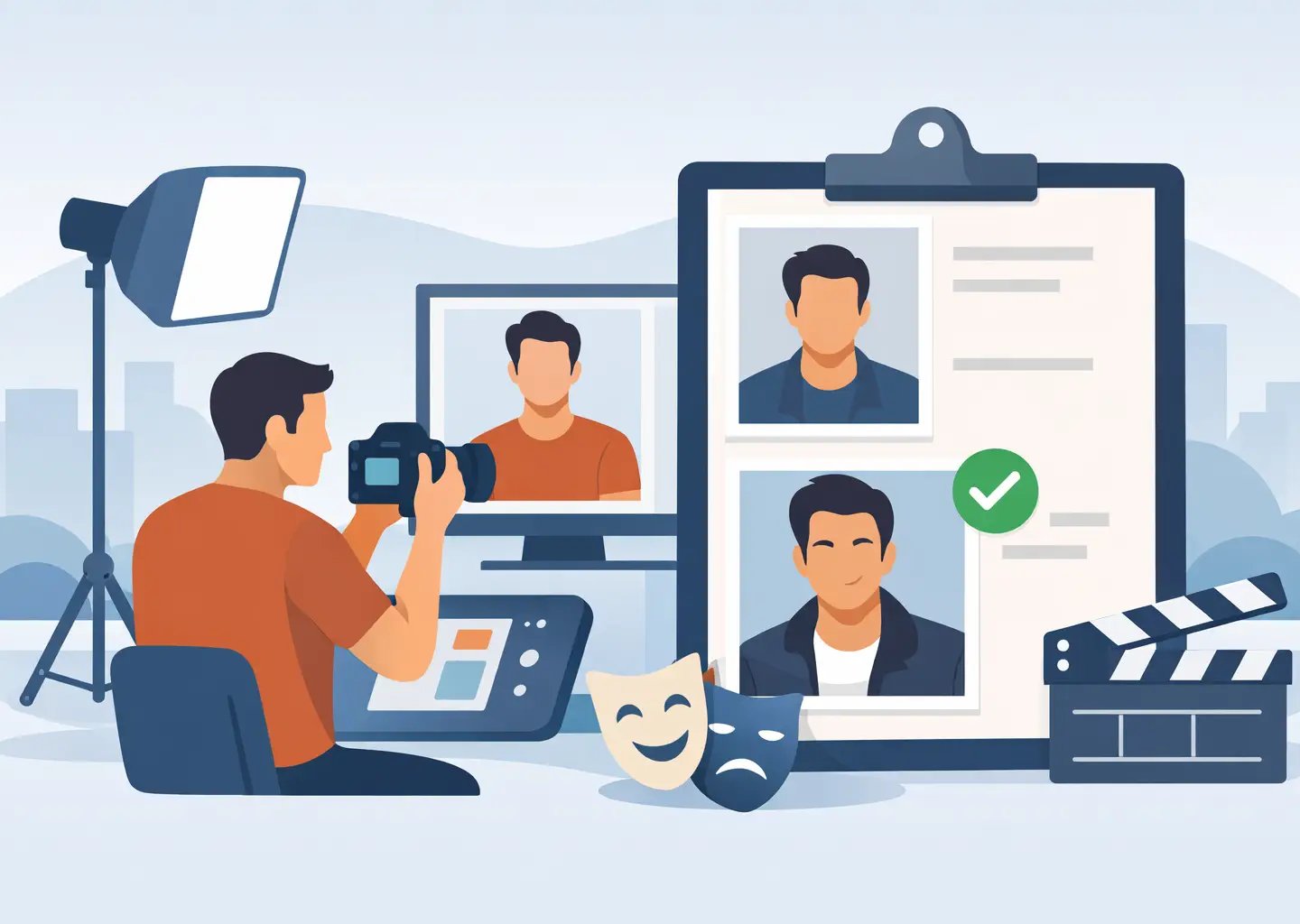
Your headshot may be the first reason casting clicks your submission, but it can also be the first reason they move on. Knowing how to update actor headshots is not about chasing every new visual trend. It is about making sure the person who walks into the room is the person casting expected to meet.
A current, credible image tells casting directors, agents, managers, and producers that you are active, prepared, and clear about your type. If your appearance, career direction, or submission strategy has changed, your photos should catch up quickly. A strong update can make your materials feel ready for the opportunities you want now, not the ones you were pursuing two years ago.
Know When It Is Time for New Headshots
The simplest test is this: if someone met you after seeing your headshot, would they recognize you immediately? If the answer is no, it is time to reshoot. Hair color, haircut, facial hair, weight changes, skin changes, glasses, and age can all affect whether a headshot still represents you accurately.
Career changes matter too. Maybe you have developed a stronger dramatic lane, started booking more commercial work, expanded into comedy, or refined the kinds of roles that fit you best. Your old images may still be professionally shot, but they can be strategically wrong for where you are headed.
Many actors benefit from reviewing their headshots every 12 to 18 months. That does not mean every actor needs a full session on that schedule. If your look is stable and your current images are generating auditions, you may only need a light refresh. But if your materials are older, your callback volume has slowed, or you find yourself hesitating before sending your photo, treat that as a signal.
Do not wait until a major opportunity arrives to discover your headshot is outdated. Casting moves fast. Your photo should be ready before the breakdown that fits you lands in your inbox.
How to Update Actor Headshots With a Clear Goal
Start with the roles you want to be seen for, not just the roles you have played before. This is where an update becomes a career move instead of a routine photo appointment.
Look at recent audition requests, feedback from your representation, and the characters you can convincingly play today. You may be a natural fit for grounded professionals, sharp young parents, ambitious founders, vulnerable leads, quirky neighbors, authority figures, or high-energy commercial roles. Your headshot does not need to spell out a character. It needs to make casting believe you belong in that world.
Bring a focused goal into the session. For example, you may need one warm, approachable commercial look and one more grounded theatrical image. Or you may need to replace a headshot that reads too youthful with something that shows greater confidence and maturity. Clear direction helps you choose wardrobe, expression, background, and final selects with purpose.
Avoid trying to be every possible type in one session. A photo that tries to communicate funny, dangerous, polished, vulnerable, and corporate at once usually communicates nothing specific. A few distinct, believable looks will work harder than a gallery of random expressions.
Audit What You Have Before You Shoot
Before booking, pull up every headshot currently attached to your casting profiles, agency materials, website, social profiles, and email signature. Ask whether the images match each other and whether they still match you.
Pay attention to repetition. If every photo has the same top, same angle, and same expression, a fresh session gives you room to create useful range. Also notice what is missing. You may have plenty of serious images but no open, friendly option for commercial submissions. Or you may have a bright lifestyle photo that works online but lacks the direct connection needed for a theatrical headshot.
This review makes your session more efficient. Instead of paying for images that duplicate what already works, you can build a stronger set of tools.
Choose Wardrobe That Supports the Casting Story
Wardrobe should frame your face, not become the subject of the photo. Choose clothing that fits well, feels like you, and aligns with the casting lane you are targeting. Solid colors and subtle texture generally photograph well because they keep attention on your eyes and expression.
Bring options with different energy. A softer, lighter look may support approachable commercial work, while a deeper neutral or structured layer can feel more grounded for theatrical submissions. The difference does not need to be dramatic. A change in color, neckline, or jacket can shift the read of an image without making it feel like a costume.
Avoid logos, distracting graphics, overly busy patterns, and anything that dates the image quickly. Also avoid wearing something solely because it feels trendy. You want a headshot that remains useful after the current trend has passed.
Comfort matters more than people expect. If a shirt pulls at the shoulders, a collar feels stiff, or you are constantly adjusting an outfit, it will show in your body language. Bring clothing you can move and breathe in. The best expression often happens when you stop thinking about what you are wearing.
Treat Grooming and Retouching Like Professional Preparation
A polished headshot should show your best working-day version of yourself. That means hair, makeup, and grooming should feel intentional but believable. You are not trying to look like a different person. You are creating a consistent, camera-ready version of the person who will show up at an audition, a meeting, or a callback.
Professional makeup support can be especially useful when you want an even, natural finish that holds up under studio lighting. The goal is not heavy glam. It is to reduce distractions and keep the attention on your eyes, personality, and casting potential.
Retouching follows the same rule. Light cleanup can reduce temporary blemishes, flyaway hairs, under-eye shadows, and small distractions. It should not erase your texture, reshape your face, or make your skin look artificial. Casting wants a real person, not a filtered version of one.
If you are unsure how far to go, choose authenticity. A headshot that looks like you builds trust. That trust matters the moment you walk into the room.
Get More Value From Your Headshot Session
Your session should produce images that are immediately usable, not just one photo you like. Plan for enough time and enough looks to create a small, strategic collection. A short session can be a smart choice when you need one strong replacement image quickly. A longer session makes more sense when you are changing direction, updating multiple casting lanes, or need variety for different platforms.
During the shoot, do not judge every frame too early. Your expression can change dramatically with small adjustments in posture, eye line, breath, and thought. Give the photographer room to guide you beyond the face you make when someone says, Smile for the camera. The goal is connection, not a frozen pose.
For Los Angeles actors, speed can be part of the advantage. Opportunities, representation meetings, and last-minute submissions do not always wait for a long production timeline. A studio session with clear deliverables, multiple looks, and professional retouching can help you update your materials without losing momentum.
Replace Your Images Everywhere That Matters
A new headshot does not help much if the old one remains on the platforms casting actually sees. Once you receive your finals, update your primary casting profiles first. Then refresh agency or manager materials, personal websites, professional social profiles, email signatures, and any downloadable resume or media kit that includes an image.
Use the same strongest photo as your primary image across key casting-facing channels unless there is a reason to tailor it. Consistency makes you easier to recognize and presents a more organized professional brand. Secondary images can give people a fuller picture of your range, but your lead photo should be your clearest, most current calling card.
Keep full-resolution originals organized in a dedicated folder, along with web-sized versions and a note about where each image is being used. The next time you need to submit quickly, you will not be hunting through old camera rolls or sending the wrong crop.
Let Your New Headshot Work for You
Updating your headshot is a chance to reset how the industry sees you. Use the new images with intention. Send them to your representative, review your casting profile credits and clips while you are already refreshing materials, and make sure your presentation tells one clear story.
The right headshot cannot book the role for you, but it can earn the click, create confidence before the audition, and help casting picture you in the room. When your photo reflects your current look and your next-level goals, it stops being an old portrait and starts doing the job it was made to do.