1734 North Main St., Los ANgeles, CA 90031 call/text 213-479-8672
What to Bring to Headshots That Get Results
6/27/20265 min read
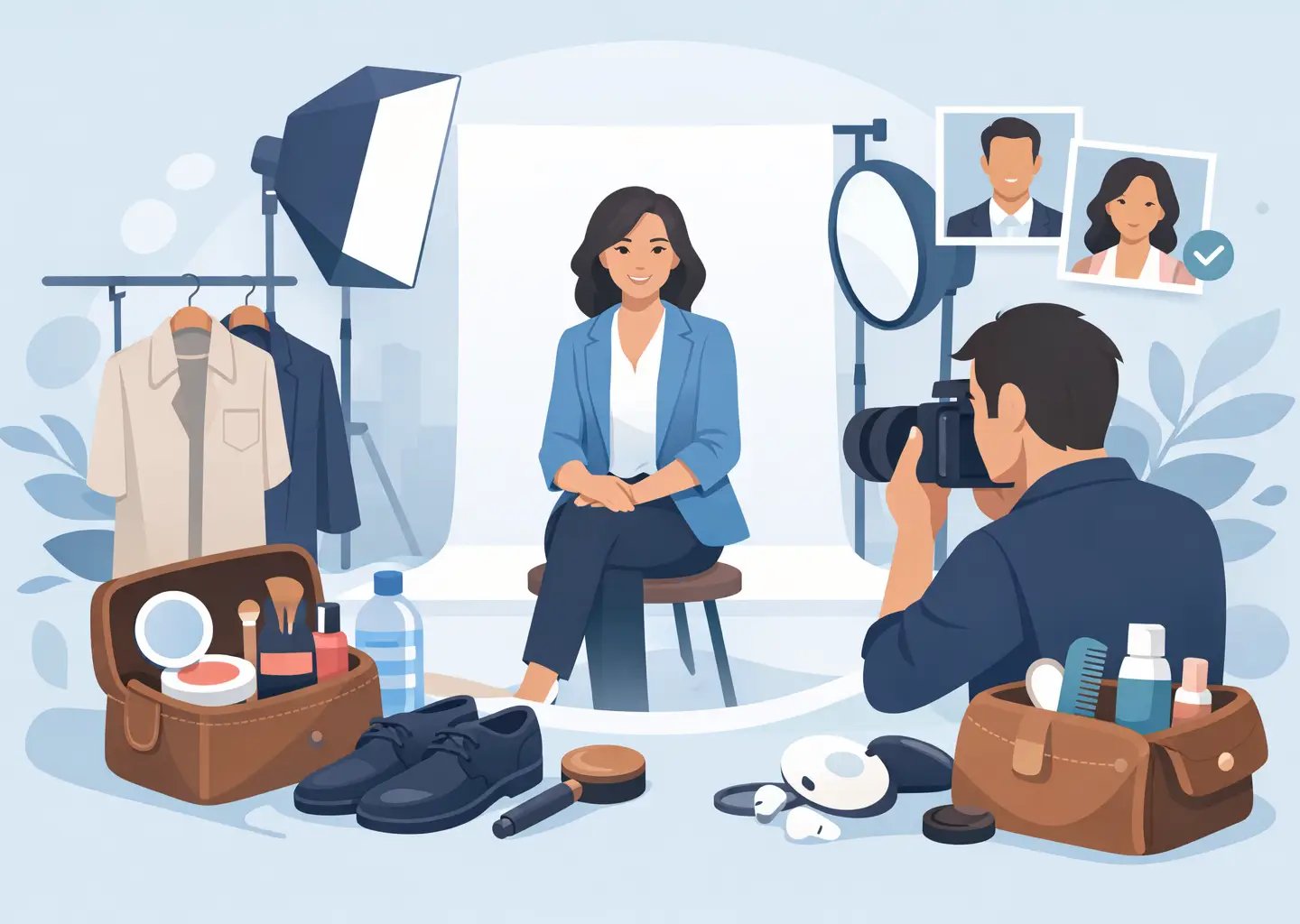
You do not need to show up to your session with a suitcase, but you do need a plan. If you are wondering what to bring to headshots, the short answer is this: bring options that support the kind of work you want to book, not random extras that create confusion. A strong headshot session moves fast, and the right prep helps you get more usable looks, better image variety, and photos that actually work for casting, branding, or career growth.
For actors, performers, and professionals in Los Angeles, headshots are not just photos. They are part of your pitch. Every shirt, jacket, grooming item, and backup choice should help you look credible, current, and easy to cast or hire.
What to bring to headshots before you walk in
The best sessions usually start before you arrive. Bring a clear idea of how you want to be seen. That might mean theatrical and commercial looks for acting, polished but approachable images for LinkedIn, or a mix of creative and professional looks for your personal brand.
This matters because what you bring should match your target. If you want to read as corporate, a worn concert tee will not help. If you are going out for younger, relatable commercial roles, an overly formal blazer might work against you. Your wardrobe should support your market, not fight it.
It also helps to bring references on your phone. Not other people’s exact photos, but a few examples of the vibe you want. Confident. Clean. Friendly. Serious. Casting-ready. That gives your session direction without making it stiff.
Bring outfit options, but keep them strategic
Most people bring either too little or way too much. The sweet spot is a small set of strong choices that give you variety without wasting time. Think in terms of looks, not quantity.
For most headshot sessions, bring two to five outfits depending on how many looks your package allows. Each one should create a distinct impression. For example, one might feel polished and professional, another relaxed and approachable, and another slightly more bold or creative. If everything looks the same on camera, bringing five tops will not give you five useful results.
Solid colors usually perform better than loud patterns. Mid-tone jewel colors, neutrals, darker shades, and rich earth tones often photograph well because they keep attention on your face. Tiny stripes, busy prints, large logos, and neon colors tend to distract. Pure white can work, and black can work, but both need to be chosen carefully because lighting and skin tone affect how they read on camera.
Fit matters as much as color. Bring clothing that fits your body right now, not the version of you from six months ago. If something pulls, wrinkles strangely, or feels awkward, it will show. Clothes that make you stand taller and feel like yourself usually photograph better than trendy pieces you are trying to force.
Best clothing choices for actors and performers
If you are pursuing acting work, your clothing should help suggest your casting range without turning into costume. That is a big difference. A leather jacket can hint at edge. A soft knit top can feel warm and relatable. A structured shirt can signal confidence and intelligence. But once an outfit starts feeling like wardrobe from a specific role, it usually becomes less useful.
Layers can help. A jacket, overshirt, or cardigan can quickly change a look without a full outfit change. That saves time and gives you more variety. Bring pieces that mix well together so you can build looks on the spot if needed.
Best clothing choices for professionals
If your headshots are for business, networking, company bios, or personal branding, bring clothing that reflects your industry while still looking current. A blazer, clean button-down, fitted blouse, or elevated knit top can all work well. The goal is to look capable, modern, and approachable.
If you work in a more creative field, you can push style a bit further. If you are in finance, law, or consulting, cleaner and simpler is usually the better call. The trade-off is personality versus universality. A highly styled outfit may stand out, but it may also age faster or fit fewer uses.
Grooming items you should always bring
Even with strong studio lighting and retouching, small details matter. Bring the basics you would want if you had five minutes to fix yourself before an important meeting or audition.
A brush or comb is smart. So is your regular hair product for quick adjustments. Bring powder if you get shiny, along with simple makeup for touch-ups if you wear it. Lip balm is useful for almost everyone because dry lips show up quickly in close-up images.
If you wear glasses sometimes, bring them cleaned. If you do not want glare or reflections in every frame, you may still want shots both with and without them. If facial hair is part of your look, bring a small grooming tool if you need it. For anyone wearing makeup, the goal is usually clean and camera-ready, not heavy unless your brand specifically calls for it.
If your session includes a makeup artist, that changes how much you need to bring, but not the need for basic maintenance items. Touch-ups between looks still matter.
What not to bring to headshots
Not everything that seems helpful actually is. Avoid bringing outfits that wrinkle instantly, anything visibly worn out, and anything that makes you self-conscious. If you keep tugging at a shirt or adjusting a neckline, the camera will notice.
Skip accessories that overpower your face unless they are part of your consistent brand. Large statement jewelry, hats, and heavy scarves can limit the versatility of your images. For actors especially, simpler is often stronger because the focus stays on your expression.
Do not bring your entire closet. Too many options slow the session down and make decision-making harder. A focused set of clothing choices almost always leads to better results than a pile of maybe items.
The practical extras that save a session
There are a few small things people forget that can make a big difference. Bring water. A few minutes under lights while changing outfits and staying expressive can be more tiring than people expect. Staying hydrated helps you look and feel better.
Bring a lint roller if you have dark clothes or anything textured. Bring nude or seamless undergarments that work with multiple tops. If you are wearing heels or specific shoes for standing shots, pack them even if the session is mostly tight framing. You never want to realize too late that the wrong shoe changed your posture or confidence.
A phone charger is not a bad idea either, especially if you are using reference images or coordinating your day around the appointment. Los Angeles schedules move fast, and a smooth session starts with not scrambling.
How to choose what to bring to headshots if you are unsure
If you are stuck between options, ask one question: what would help me look bookable? Not fashionable in a general sense. Not dressed for a party. Bookable.
That usually means clothing that frames your face well, suits your age range and type, and feels believable for the opportunities you want. You want people looking at your photo to think, I know where this person fits. That clarity is valuable.
Try your outfits on in advance and take quick phone photos in window light. You will see right away if a color washes you out, if a collar sits strangely, or if two looks are too similar. This kind of prep saves time and raises your odds of walking away with images you can actually use.
Bring confidence, but bring flexibility too
A great session is a mix of preparation and adjustment. You might arrive convinced one top is the winner, then find another one looks stronger on camera. That is normal. What matters is bringing enough good options to adapt without losing momentum.
At Headshots by Wick, clients often get the best results when they come in with a few targeted looks, basic grooming tools, and a clear sense of the roles or opportunities they are chasing. That keeps the session efficient and focused on what matters most: creating images that help you compete.
The right things to bring are not the most expensive things. They are the pieces that help you look ready for the next opportunity, and that is exactly what a strong headshot should do.