1734 North Main St., Los ANgeles, CA 90031 call/text 213-479-8672
Your Audition Ready Headshot Session Plan
7/25/20265 min read
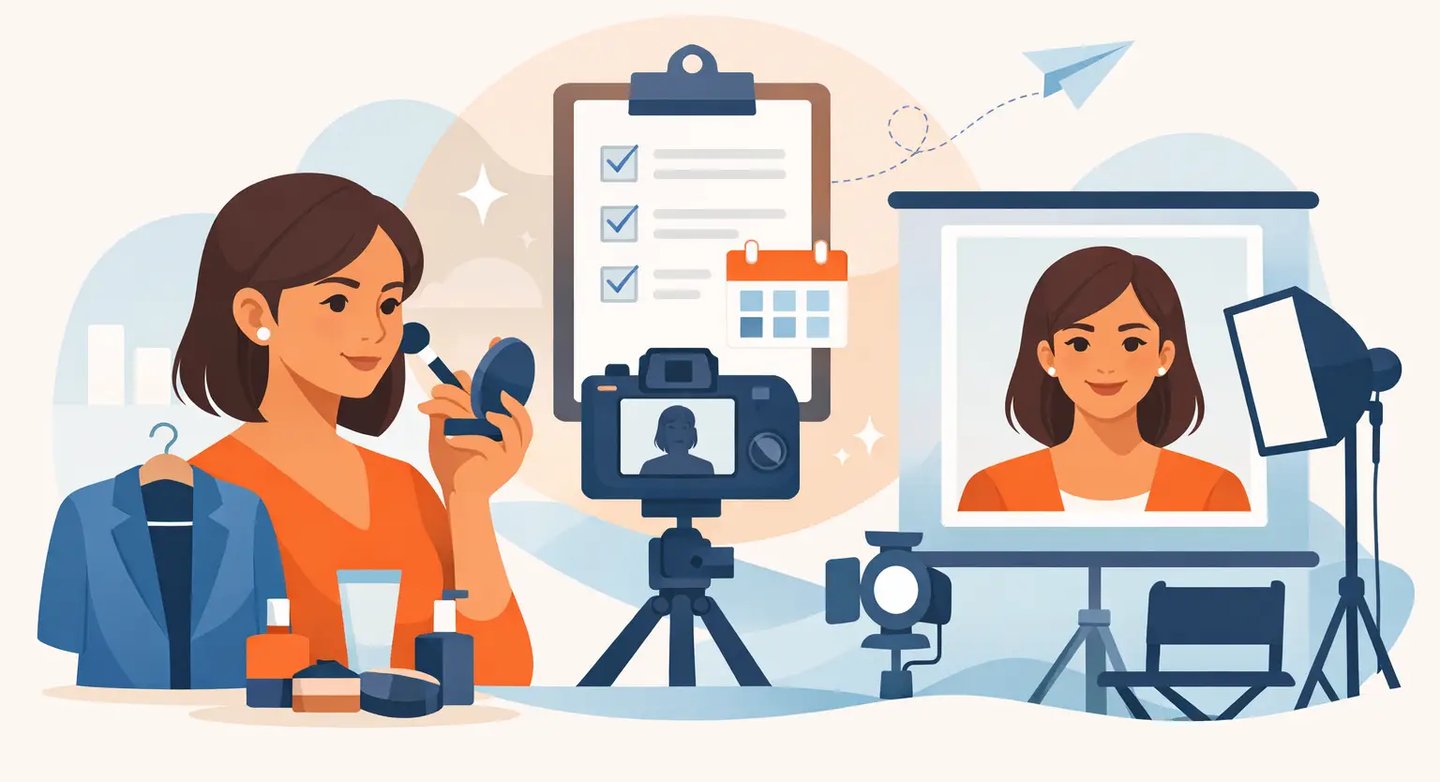
Casting teams can make a first pass through submissions in seconds. Your photo needs to stop the scroll for the right reason: it should look current, clear, professional, and like the person who will walk into the room. An audition ready headshot session is not about chasing a dramatic look or copying someone else’s photo. It is about creating a marketable image that makes your casting type easy to understand.
For actors, performers, and creatives, a headshot is working material. It sits beside your credits, reel, résumé, and profile. When it is out of date, over-retouched, poorly lit, or disconnected from your actual energy, it can create friction before you ever get the chance to show your work. A focused session gives you images you can confidently use for submissions, casting platforms, agency outreach, and professional branding.
What Makes a Headshot Audition Ready?
An audition-ready image communicates three things quickly: you look like yourself, you look prepared, and you belong in the conversation for the role. That does not mean every headshot should be serious or neutral. It means your expression, wardrobe, lighting, and framing should support a clear, believable version of your casting range.
The best headshots have real eye contact. They feel present rather than posed. Casting needs to see your face without distraction, which is why heavy filters, aggressive skin smoothing, and trendy edits can work against you. Retouching should clean up temporary distractions while preserving texture, character, and the details that make you recognizable in person.
Your image also needs to be current. If your hair, facial hair, body type, or overall look has changed significantly, your headshot needs to change with it. A casting office should never feel surprised when you arrive. The goal is simple: make the photo and the person match.
Start With the Roles You Want to Be Seen For
Before your session, think less about “What picture will look best?” and more about “What opportunities am I pursuing?” Your answer helps shape your wardrobe, expression, and number of looks.
Someone submitting for approachable young-professional, romantic lead, commercial, or lifestyle work may need warmth and openness in the image. Someone targeting grounded dramatic roles may need more stillness, edge, or intensity. Neither direction is better. The right choice depends on what you can truthfully play and where you are currently being called in.
Avoid trying to force an image that is far outside your natural type. A costume-like headshot may get attention, but it can create the wrong expectation. Instead, aim for a sharpened version of you: intentional, camera-ready, and easy to cast.
If you have range and need multiple looks, use each outfit change with purpose. One look can feel polished and professional, while another can be relaxed or slightly more textured. The difference should be visible without making it seem like several unrelated people attended the session.
Choose wardrobe that keeps attention on your face
Solid colors and subtle texture usually photograph well because they give the camera a clean place to land. Bring options that fit properly at the shoulders and neckline. A shirt that feels great in the mirror but bunches, pulls, or overwhelms your face on camera is not doing its job.
Skip large logos, distracting graphics, tiny busy patterns, and accessories that compete with your expression. There are exceptions, especially when a specific style supports your brand, but the headshot should still lead with your face. For most performers, a few well-chosen tops in different colors and necklines provide more usable variety than an overstuffed bag of outfits.
How to Prepare for Your Audition Ready Headshot Session
Preparation lowers stress and gives you more room to be natural in front of the camera. Get your wardrobe ready early, try it on, and bring it clean and wrinkle-free. If you are getting a haircut, color refresh, or grooming service, schedule it far enough ahead that you still look like yourself by session day.
The night before, prioritize rest and hydration. You do not need to arrive looking artificially perfect. You need to arrive feeling alert, comfortable, and ready to engage. Avoid trying a new skincare product or major grooming change at the last minute. Small experiments can show up on camera in ways you did not plan.
Makeup should support the same goal. On-camera makeup can reduce shine, even out tone, and define features under studio lighting, but it should not turn you into a different person. Optional makeup artist support can be a smart choice when you want a polished, camera-aware finish without the guesswork. It is especially useful if you are booking a session around an important submission window or need images that work across multiple professional channels.
Bring water, any touch-up essentials you use, and a good attitude toward adjustment. The first few minutes in front of the lens can feel unfamiliar for almost everyone. A strong photographer will guide posture, chin position, eye line, and expression so you are not left trying to invent poses. Your job is to stay responsive and give the camera something real to work with.
Expression Matters More Than a Perfect Pose
You do not need a fixed “headshot face.” In fact, forcing one often creates a flat image. Think about who you are talking to rather than trying to perform directly at the camera. A subtle shift in thought can change the energy in your eyes and give your image more life.
For a friendly commercial look, you might think of someone you are genuinely happy to see. For a more dramatic frame, you may settle into focus and stillness rather than trying to look tough. The result should feel specific, not exaggerated.
This is where a guided studio session saves time. You may arrive knowing the kind of roles you want, but translating that into a usable image is a collaborative process. Direction helps you find the difference between a pleasant photo and a photo that makes someone want to call you in.
Pick the Right Session Format for Your Current Needs
A shorter session can be the right move when you have one clear look, need an updated primary headshot quickly, or are working within a tight budget. It can deliver strong results when you arrive prepared and know exactly what you need.
A longer session makes more sense when you are building a new submission package, refining your personal brand, or need distinct looks for different casting lanes. More time allows for outfit changes, expression shifts, and a less rushed process. It is not automatically necessary, though. If your goal is a powerful, current image for your primary casting profile, focused efficiency can be an advantage.
The value is not in taking hundreds of photos. It is in leaving with choices that are useful. Look for a process that includes clear session options, image delivery you can plan around, and complimentary retouching that keeps the final image polished without sanding away your personality.
For Los Angeles talent, speed matters. Submissions move quickly, auditions can come with little notice, and a headshot update should not become a long, expensive production. Headshots by Wick is built around that reality, with studio sessions designed to give actors and professionals career-ready images without treating a necessary business tool like an inaccessible luxury.
Know When It Is Time to Update Your Headshot
If your current photo is more than a couple of years old, it may be time, but age is not the only factor. Update when your appearance has changed, your representation or target market has shifted, or your existing image no longer reflects the work you want to book.
You may also need a new headshot after a career step forward. New training, stronger material, a different professional direction, or a clearer understanding of your type can all change what your image needs to communicate. Your headshot should keep pace with your ambition.
Do not wait until you are scrambling for a submission. Set aside the time to create images that feel honest, current, and ready to work. The right headshot will not book the role for you, but it can help make sure casting sees you clearly enough to give your work a chance.